Ficha técnica
Historia
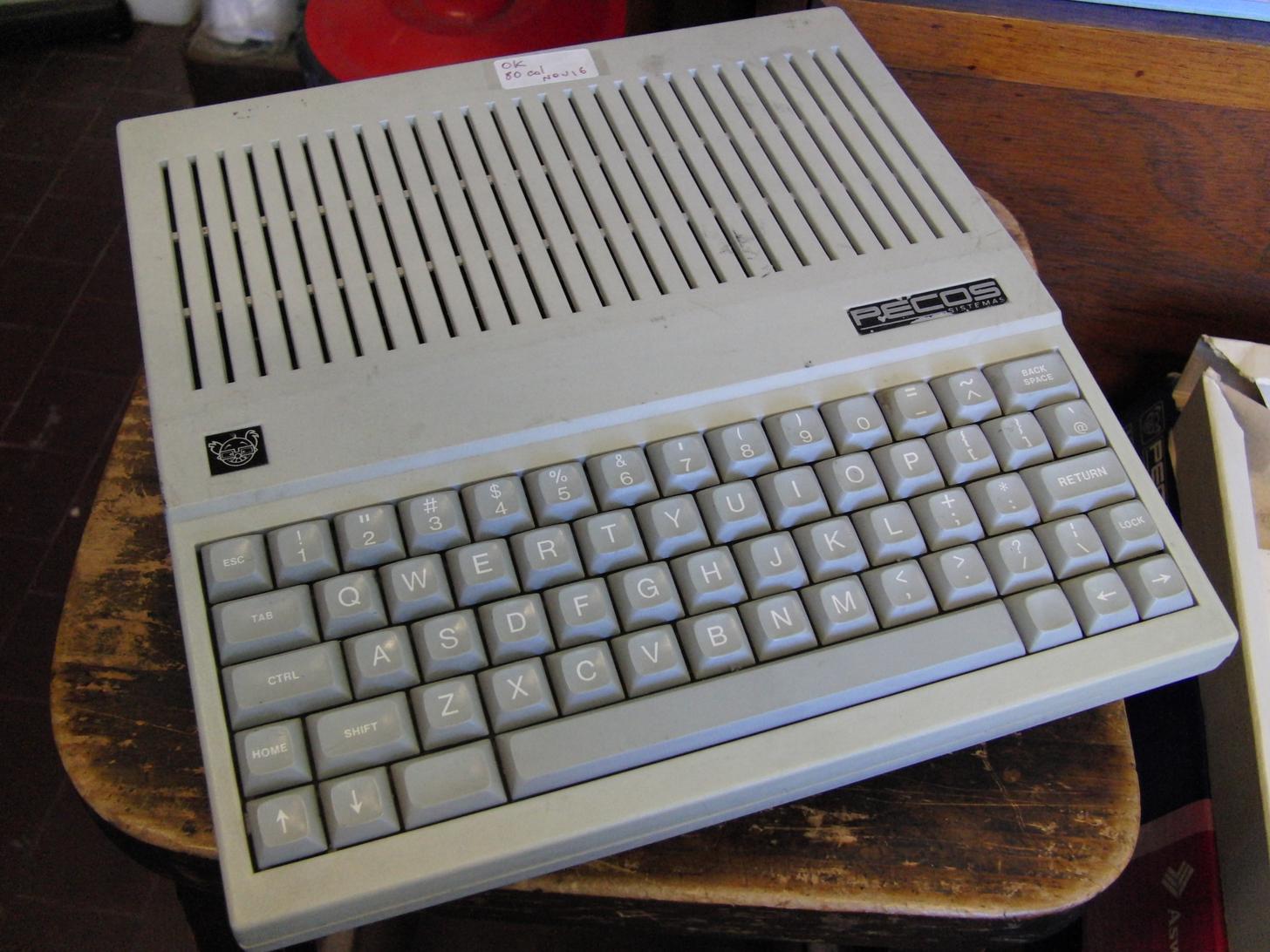
The Birth of PECOS: Argentina’s Educational Computing Pioneer In 1983, the company Assiel—later known as Aswork—launched the PECOS computer, a groundbreaking educational device that, alongside the Alpha and Sincorp SBX, became a cornerstone of Argentina’s early computing scene. PECOS, short for Programa Educativo de COlegios Secundarios (Educational Program for Secondary Schools), was specifically designed for classroom use. Assiel produced around 1,500 units, which were distributed to schools across Buenos Aires and its surrounding metropolitan area. Unlike other tech companies of the time, Assiel operated as a full-fledged hardware and software development firm. Projects began in the design department, moved through development, and culminated in in-house assembly. This made Assiel the first true computer manufacturer in Argentina—not just assembling imported components like Drean or Talent, but engineering and building entire systems from scratch. Innovation from the Ground Up In the early 1980s, Assiel’s factory in the Flores neighborhood of Buenos Aires was already producing the Videoprint—a “dumb terminal” that connected to a central unit, allowing up to 32 terminals to operate simultaneously. The company manufactured everything from monitors and circuit boards to processors, software, and hardware interfaces. PECOS: Designed for the Classroom PECOS came in two models: a 64 KB RAM version for students and a 128 KB RAM version for teachers. It was powered by a Zilog Z80 microprocessor, featured an SN76489 sound chip, and used a TMS9928A video controller—the same one found in the ColecoVision gaming console. Schools typically installed networks of up to 10 PECOS machines, all sharing one or two 5.25″ floppy drives and a printer. Assiel also developed the software ecosystem for PECOS, including an analog video switch that allowed teachers to monitor student screens and broadcast their own display to the entire classroom.