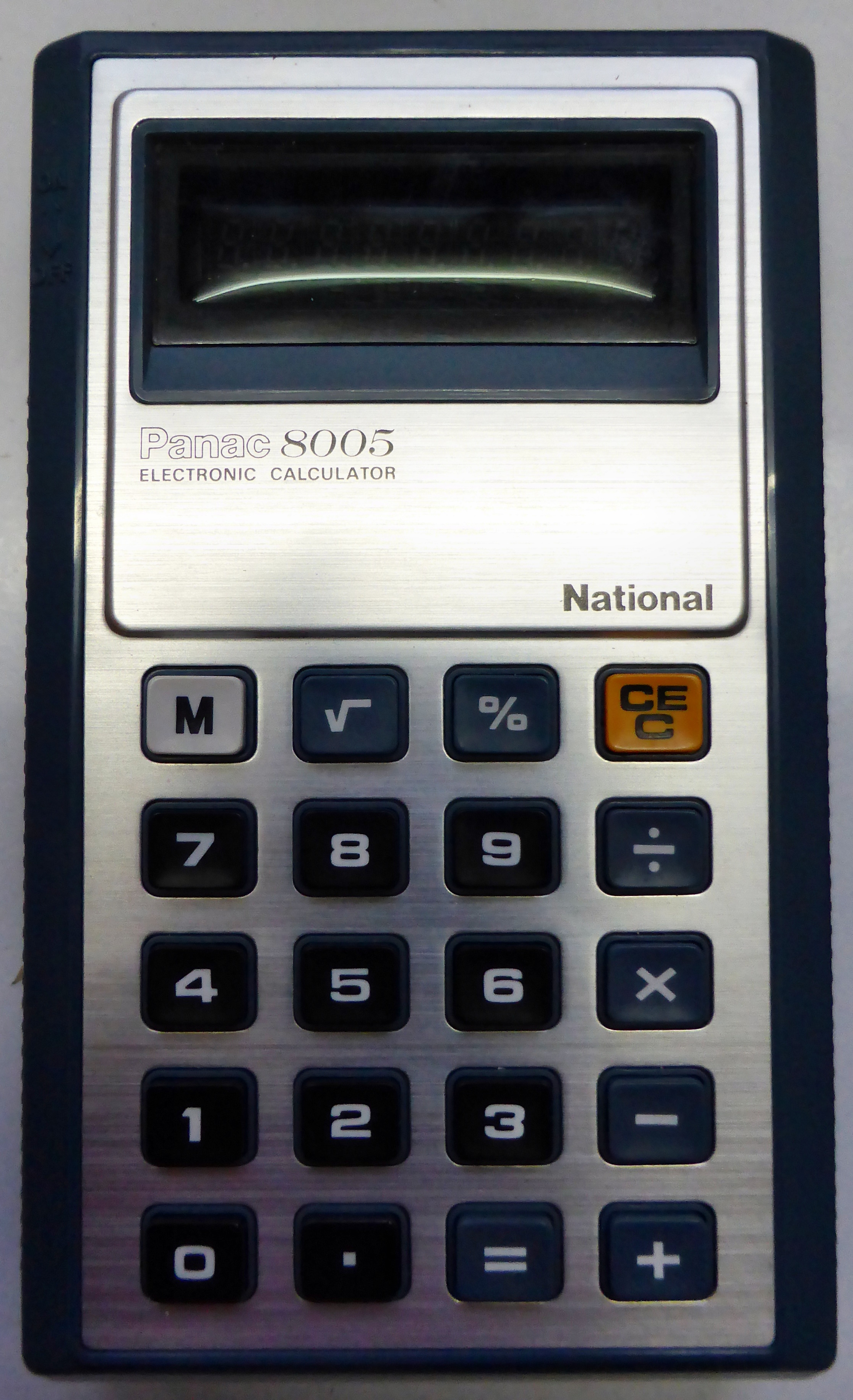
National Panac 8005
Ficha técnica
Historia
PANASONIC: JE8005

PANASONIC: JE8005
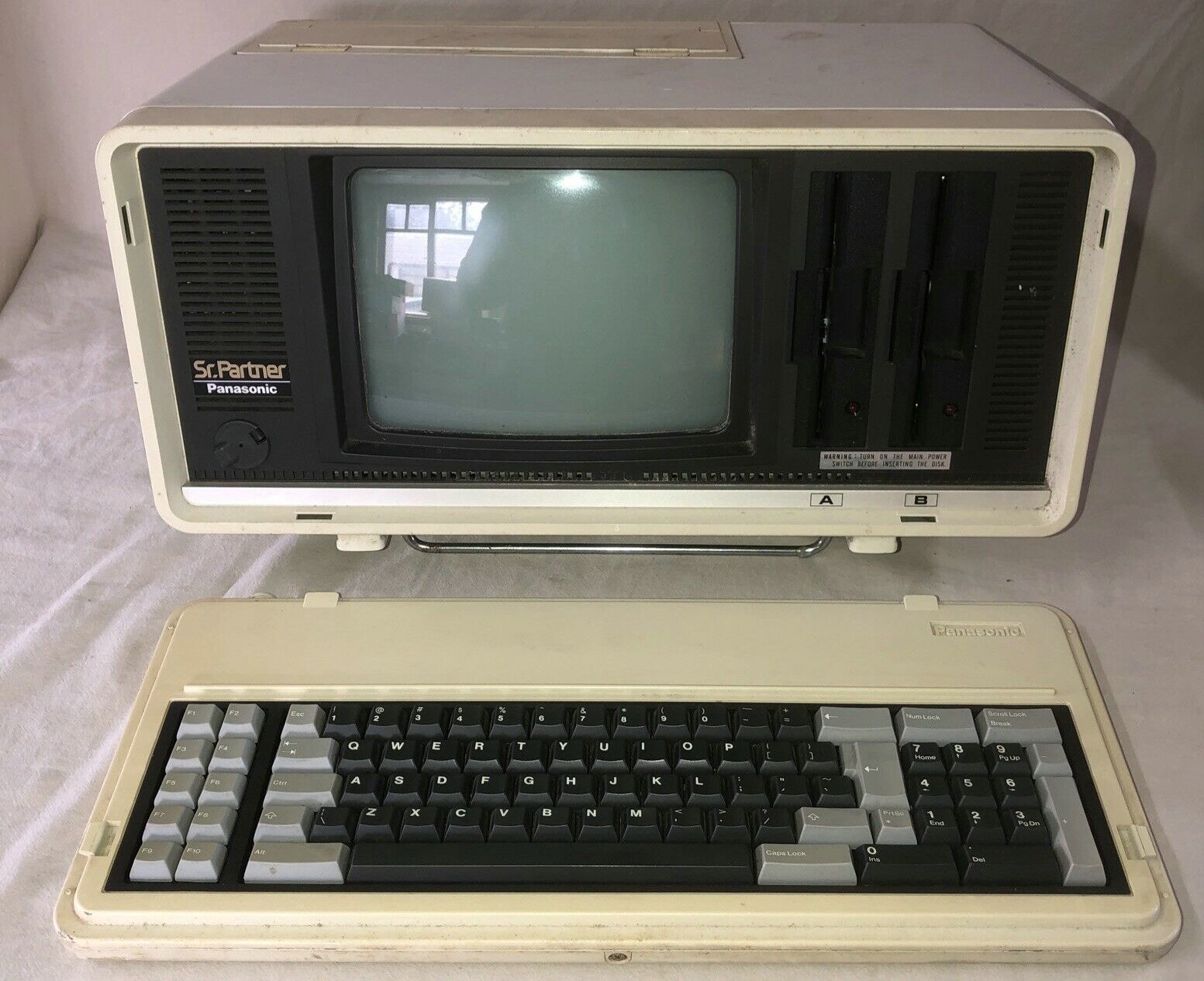
This is a luggable IBM-PC compatible system. It tends to offer an all-in-one solution for the perfect 80s business man. Back in 1983 it was the first Japanese computer completely IBM-PC compatible (hardware & software).
Teclado  	Full-stroke QWERTY Teclado with numeric keypad and function Teclas
CPU  	Intel 8088
Velocidad  	4.77 Mhz
Co-procesador  	optional 8087 mathematic Co-procesador
RAM  	128 kb (512k max.)
ROM  	16 kb
Modos de Texto  	80 x 25
Modo gráfico  	CGA Graficos :320 x 200 (4 Colores), 640 x 200 (2 Colores)
Colores  	Monochrom (built-in 9 inch CRT green Pantalla) and 4 Colores (CGA) with external monitor
Sonido  	Beeper ?
Tamaño/Peso  	14 kg
Puertos de entrada/salida  	Serial/RS232c, Centronics/Parallel, 1 x ISA expansion slot, RAM expansion slot, RGB monitor ouput
Almacenamiento interno  	Model RL-H7000 : 1 x 360k floppy + optional second floppy
Model RL-H7000W : 2 x 360k floppy drives
OS  	MS-DOS 2.0A
Fuente de alimentación  	Built-in PSU. Doesnt work with any fuse less than 20 Amp !...
Perifericos  	Hard-disk
Precio  	$2495 (USA, november 1983)
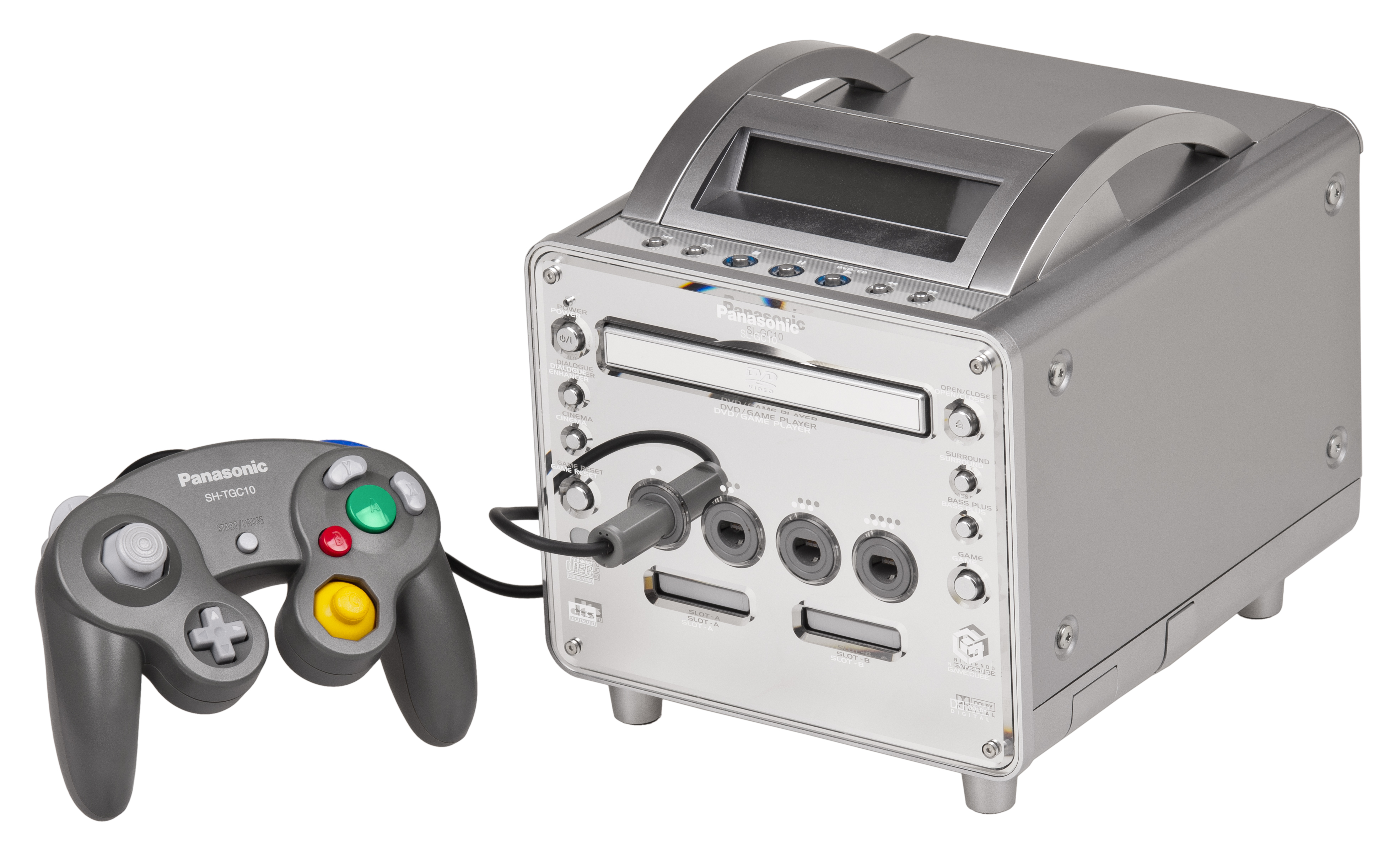
The Panasonic Q (sometimes known as Q and GameQ) is a hybrid version of the Nintendo GameCube with a DVD player manufactured by Panasonic in cooperation with Nintendo. The system was officially released only in Japan. A feature of its main competitors Xbox and PlayStation 2, the GameCube lacked commercial DVD movie playback functionality due to the use of the Nintendo optical disc format for games and the correspondingly small disc tray. The Q system was licensed by Nintendo and released on December 13, 2001 and listed at US$439
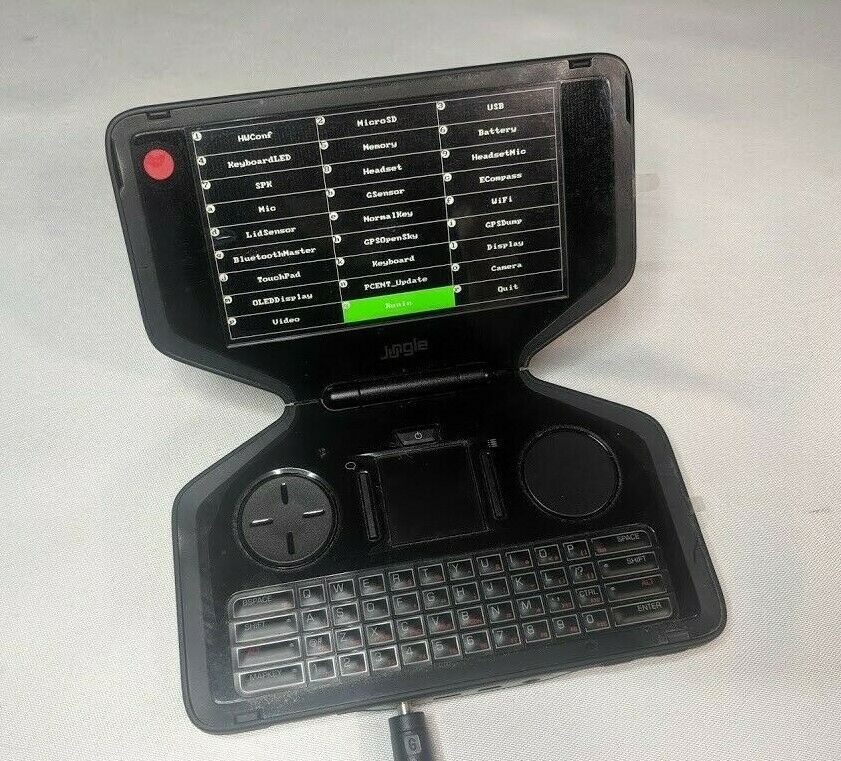
The Jungle was a portable game console in development by Panasonic, and announced in October 2010. With a design being roughly similar to a small laptop, it was developed as a portable platform for MMOs and aimed at players who wanted to play online games on the go. The Jungle was also Panasonics first attempt at creating a handheld console. It was expected to be released in mid-2011, effectively putting it into the eighth generation of gaming along with the Nintendo 3DS and the then-unreleased PlayStation Vita. The system was to be the second dedicated video game console released by Panasonic, after the 3DO from 1993. In 1997, Panasonic was developing a new console called the Panasonic M2, but the company cancelled the project. On March 1, 2011, Panasonic announced the cancellation of the Jungle, due to changes in the market.
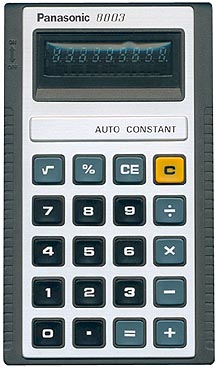
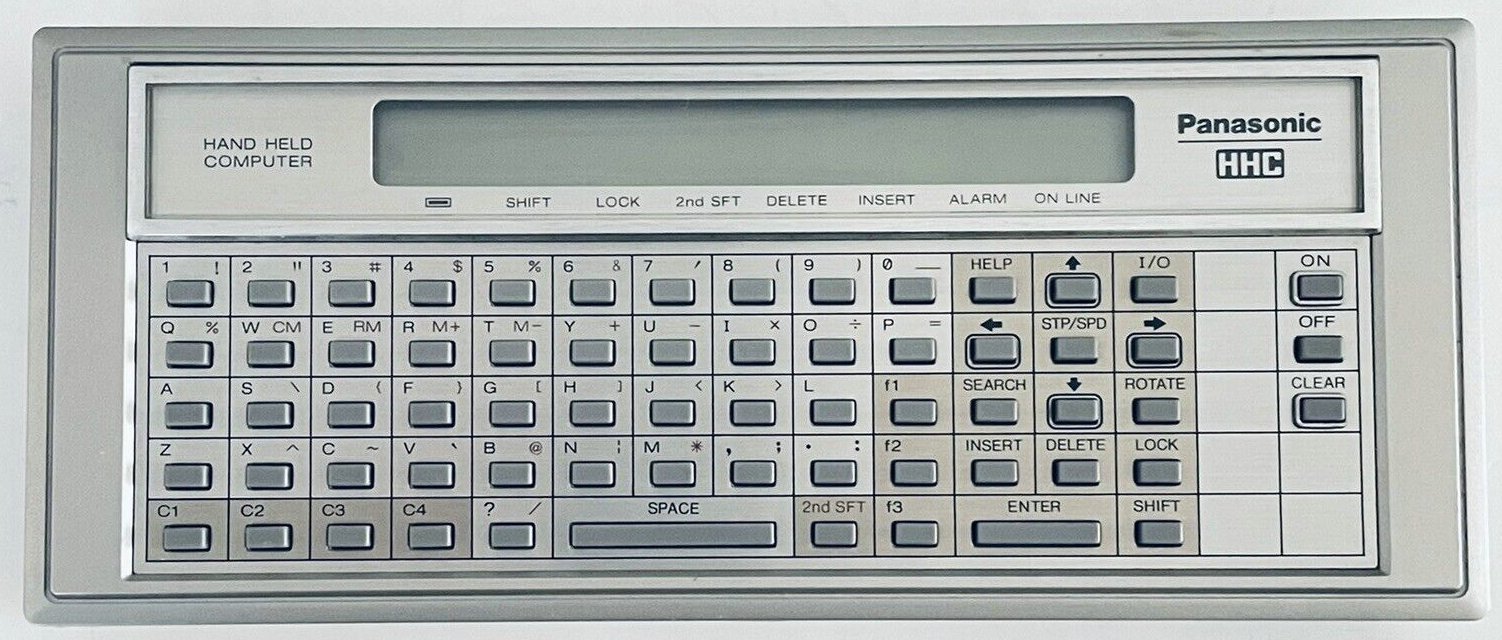
Panasonic HHC (Hand Held Computer)
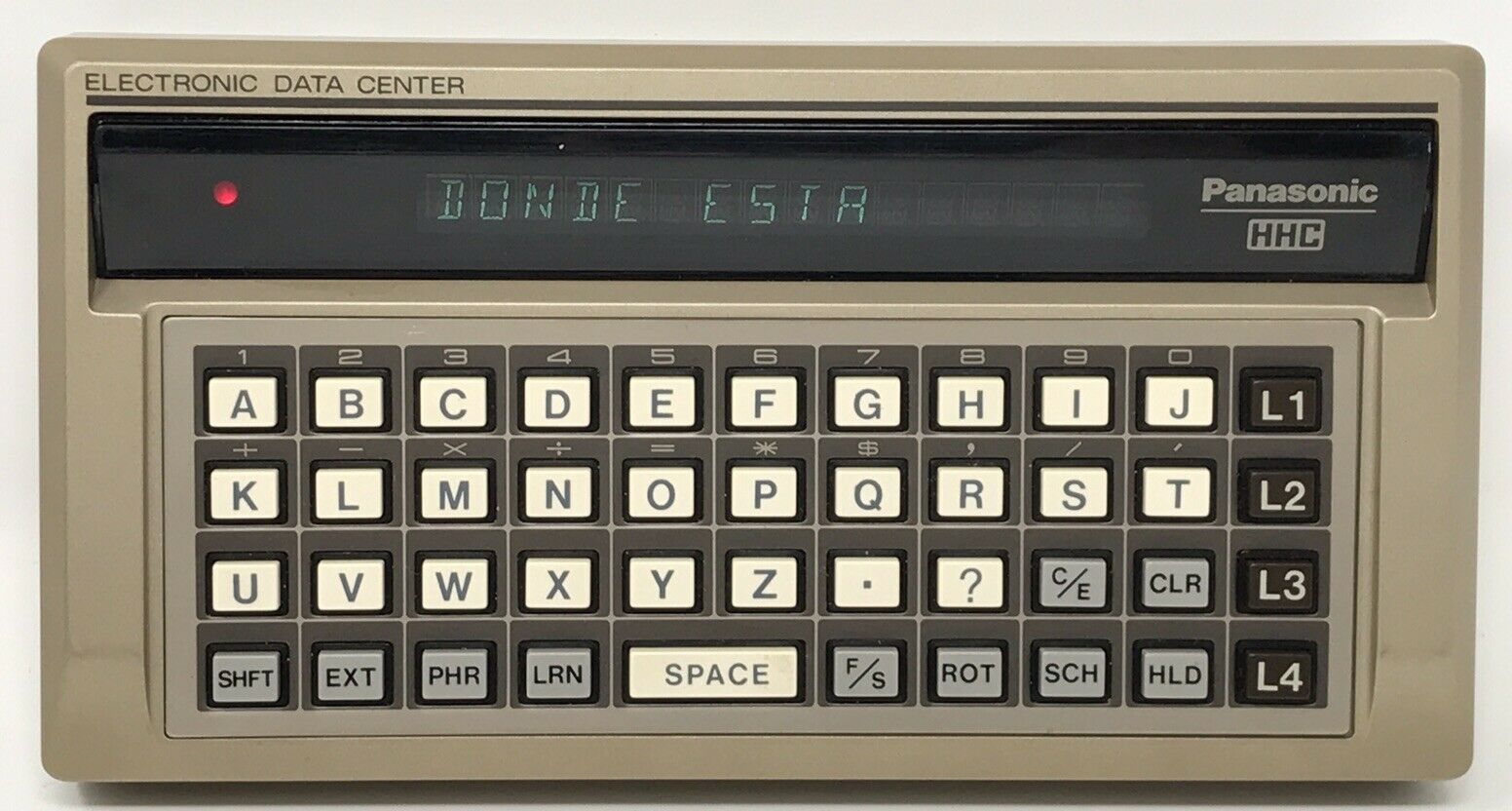
Panasonic HHC (Hand Held Computer)
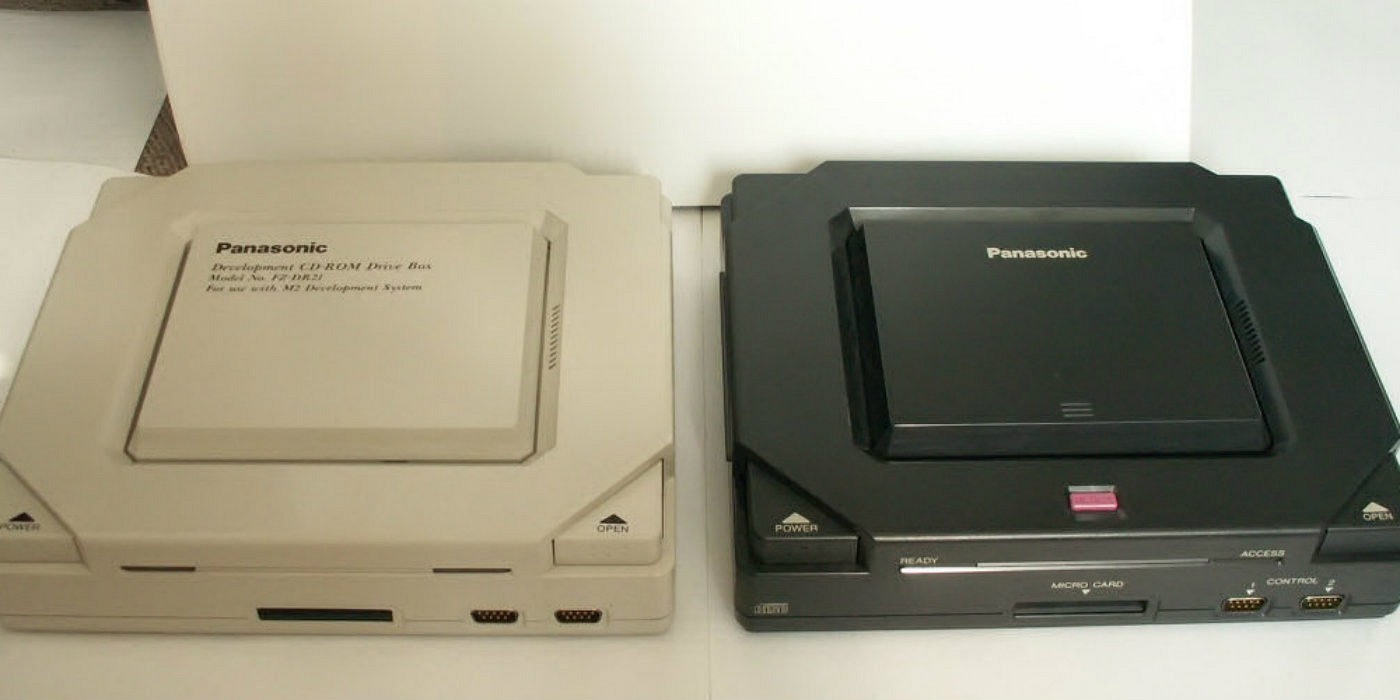
The Panasonic M2 is a video game console design developed by 3DO and then sold to Matsushita, a company known outside Japan by the brand Panasonic. Initially announced as an add-on chip for the 3DO Interactive Multiplayer, it was later unveiled as a standalone console. The console was cancelled in 1997, but the M2 technology was incorporated into other devices. Development kits and prototypes of the machine became very valuable pieces among collectors. M2s technology was integrated in the multimedia players FZ-21S and FZ-35S, both released in 1998. Both products were aimed at professionals working in medicine, architecture and sales, not home users. The M2 also became a short-lived arcade board by Konami. The agreement to develop the board was made well in advance of the M2 consoles planned release date, with the understanding that games using the arcade board would be ported to the home console, similar to the relationship between the PlayStation and Namco System 11. As games ran straight from the CD-ROM drive, it suffered from long load times and a high failure rate, so only five games were developed for it. The M2 technology was later used in automated teller machines, and in Japan in coffee vending machines. In the late 1990s and from 2000 on, the system was also sold in the interactive kiosk market. In 2000, PlanetWeb, Inc. began offering software to allow the M2 to be used as an Internet appliance
Página 1 de 1