Ficha técnica
Historia
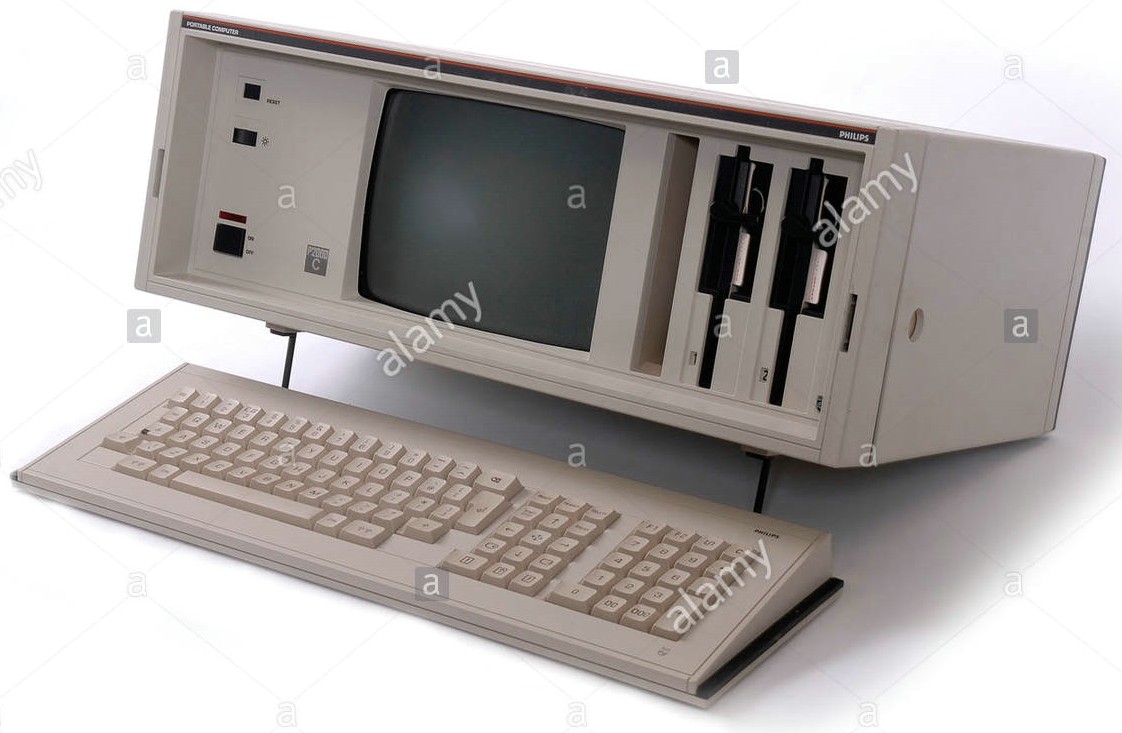
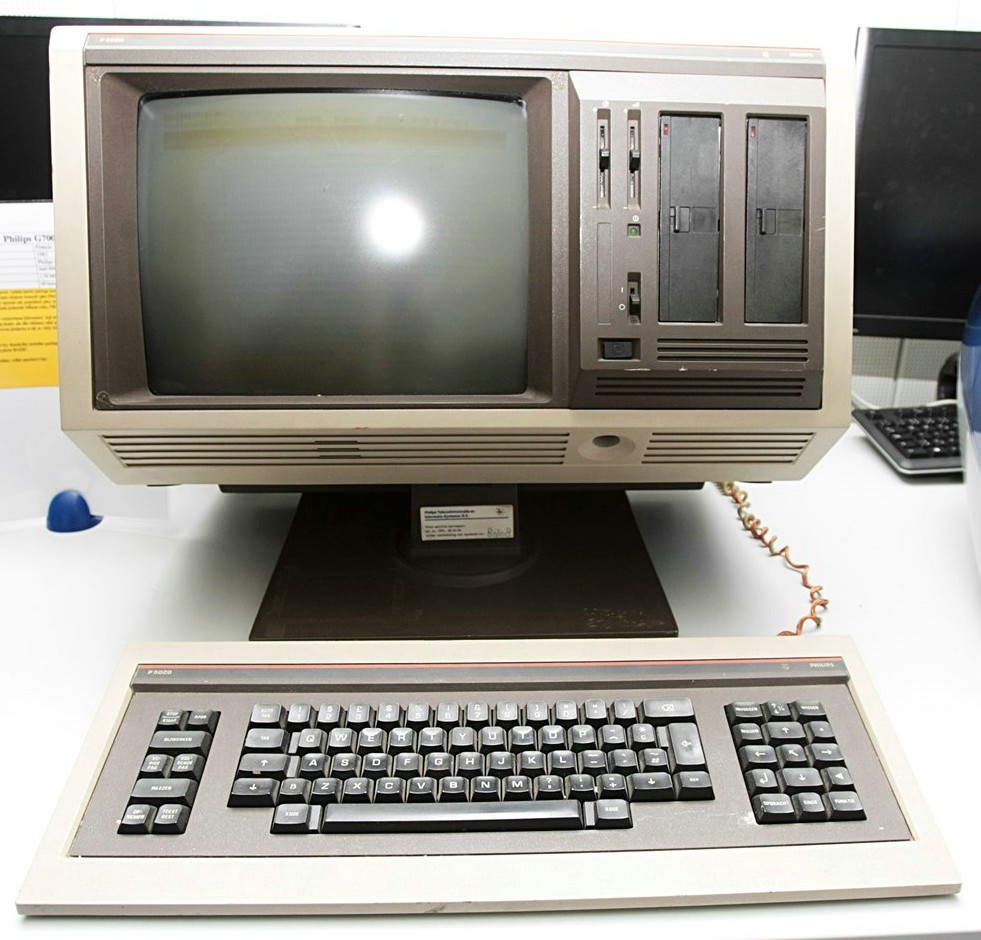
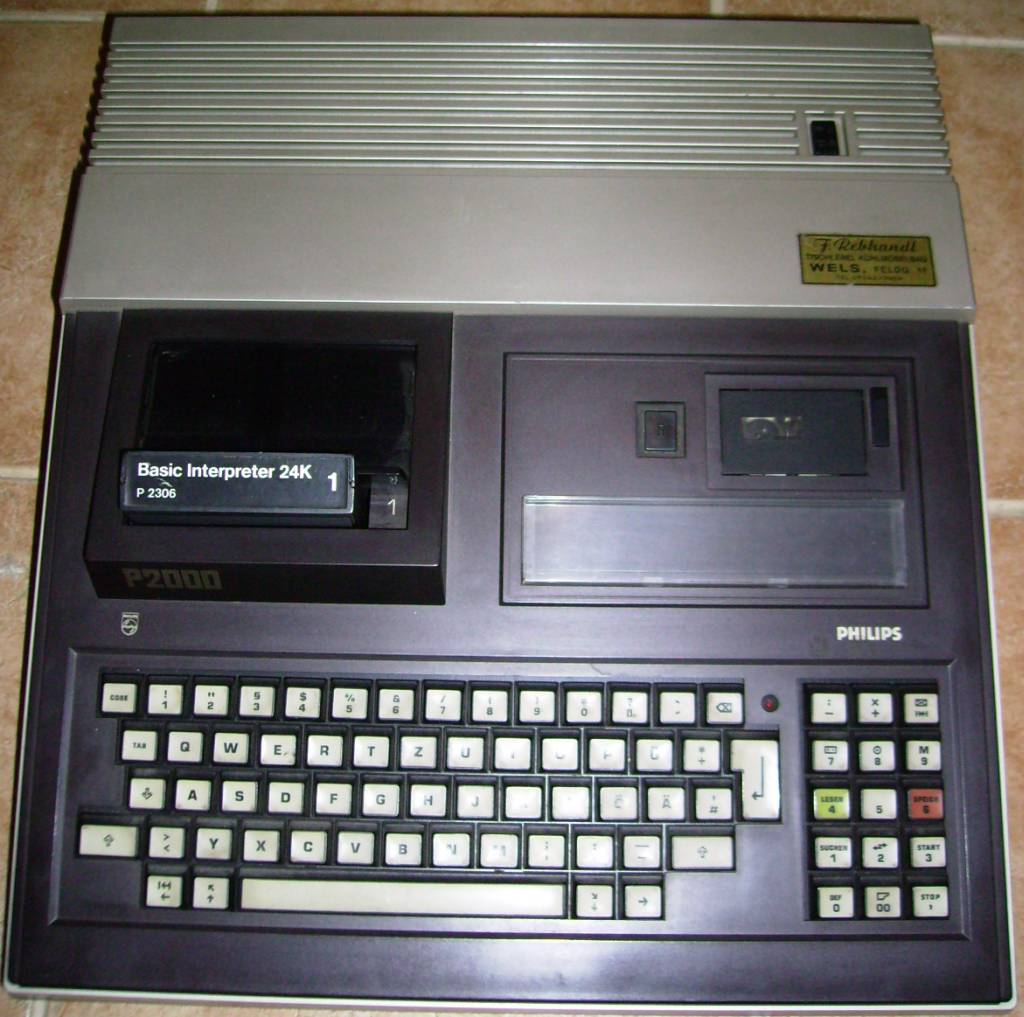
The Philips P2000T home computer was Philips first real entry in the home computer market, after the Philips Videopac G7000 game system (better known in the U.S. as the Magnavox Odyssey2) which they already sold to compete with the Atari 2600 and similar game systems. There was also an P2000M version with an additional 80-column card for use with a monochrome monitor. This version shipped with a monitor cabinet also housing a dual 5.25 floppy drive.[1] The P2000T was a Z80-based home computer that used a Teletext display chip to produce the video picture and a small Mini-Cassette recorder for 42 kilobytes of mass storage capacity.[1] The Mini-Cassette was treated as a floppy drive from the users perspective while using the automatic search for a program (CLOAD command) or free space (CSAVE). A command to display the directory of the cassette also exists.[1] Philips used components they already produced for other markets (television sets and dictation machines) to quickly design a small computer system. It was partially designed by Austrian professor Dieter Hammer. They also copied the ROM cartridge system from their Videopac G7000 game system. One of these cartridges contained Microsoft BASIC. It was also possible to use cassette tape floppies. Although the Teletext video chip permitted a quick entry into the home computer market, it was also the major weakness of the P2000T. Using the Teletext standard in itself was not a bad idea because it did support eight colors and rudimentary graphics. But unlike later entries in the home computer market which also supported a Teletext display mode, such as the venerable BBC computer and the Oric Atmos, the P2000T did not support a high resolution display mode. This made it very difficult to develop interesting games for it. As a result, the P2000T had only limited success, and Philips later replaced it with their MSX machines. The machine did gain popularity in The Netherlands, especially in the areas of science, education, and data communications (videotex). The P2000M incorporated two 5,25-inch floppy disk drives beside a built-in monochrome screen. It could run CP/M or Microsoft BASIC applications, depending on the cartridge used. It was incompatible with the P2000T in the way it handled display of special characters (color, graphics mode), which made most P2000T games unplayable. Initially, in 1981, the computer cost 3000 guilders (1361). In 1984 the price was lowered to 1200 guilders (544,50).[2][3] The P2000 system can be emulated with the MESS software.[1]
Características
Lenguajes  	None
CPU  	Z80
Velocidad  	2.5 MHz
Co-procesador  	None
RAM  	16 KB to 48 KB
VRAM  	1 (T) or 2 (M) KB
ROM  	4 KB + 16 KB in ROM cartridges
Modos de Texto  	40 (T) or 80 (M) columns x 24 lines
Modo gráfico  	None
Colores  	7
Sonido  	Built-in beeper - 1 channel
Tamaño/Peso  	41 (W) x 47 (D) x 11 (H) cm
Puertos de entrada/salida  	T version: TV aerial, RGB, Serial
M version: Monochrome composite video, Serial, FDD interface
Almacenamiento interno  	Mini cassette drive (42 KB)
OS  	Philips JWSDOS, CP/M with extra card
Fuente de alimentación  	Built-in Fuente de alimentación unit
Perifericos  	Various interfaces through the Bus slot
Precio  	About 3000 Dutch guilders ($1375)