
Prototypes
Máquinas (1–12 de 12)
Ericsson Red Jade
Ficha técnica
Historia
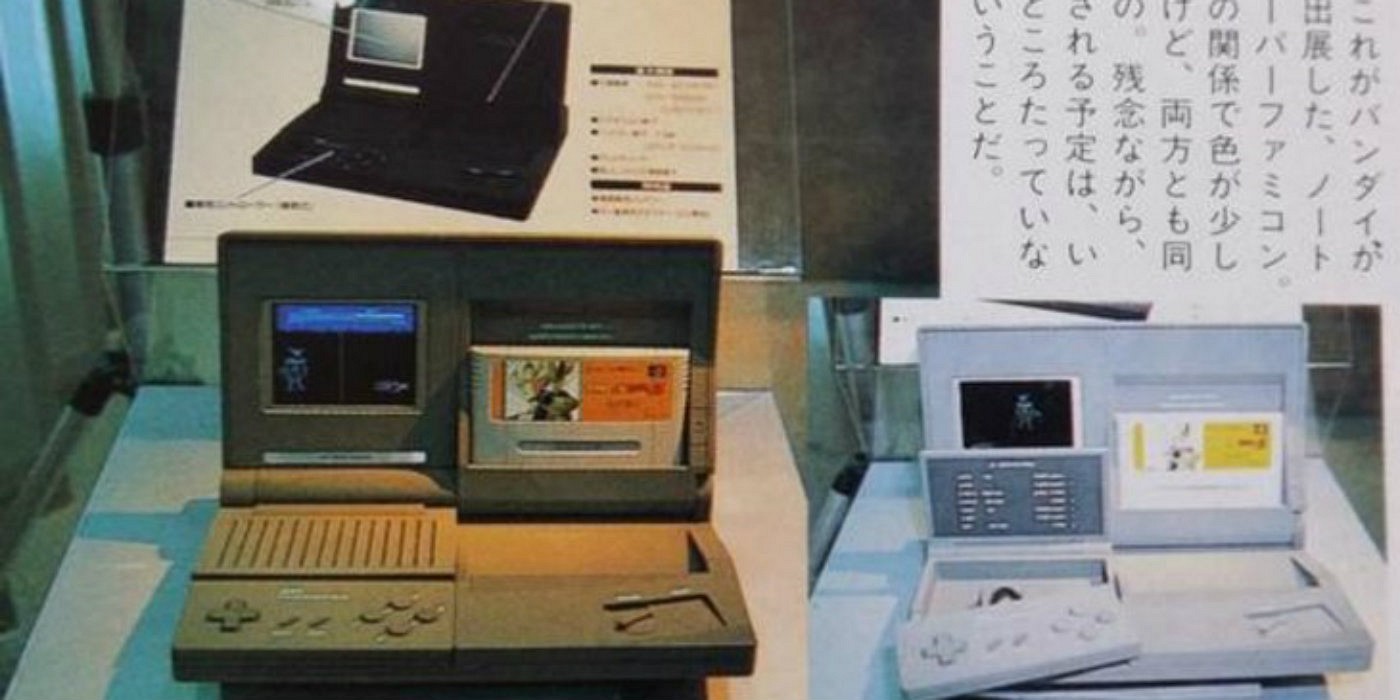
The Red Jade was Ericssons unreleased handheld console, intended to compete with the Game Boy Advance. Originally the developing team for the Red Jade approached Sony and Sega as potential partners but both declined. Ericsson decided to invest US$10 million in the Red Jade, which was supposed to have PDA functions, wireless connectability, DivX movies, cell phone capabilities, a GPS server, a digital camera, MP3 audio playback, a web browser, the ability to download games from the website, game sharing utilizing Bluetooth technology, and graphics equivalent to the PlayStation. It was to be released in late 2001 and would have retailed for $150. When overall sales plummeted, Ericsson cancelled the Red Jade before production in April 2001 and cut 22,000 employees to help minimize losses. The number of existing prototype units is unclear along with possibility of games made for them. Ericssons mobile phone division later divested into joint venture with Sony and rebranded as Sony Ericsson, until Sony acquired Ericssons share and became Sony Mobile Communications.
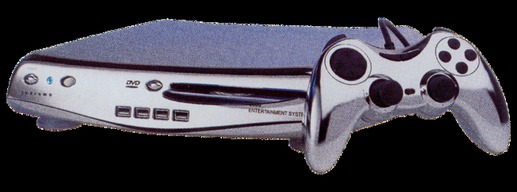
Indrema L600
Ficha técnica
Historia
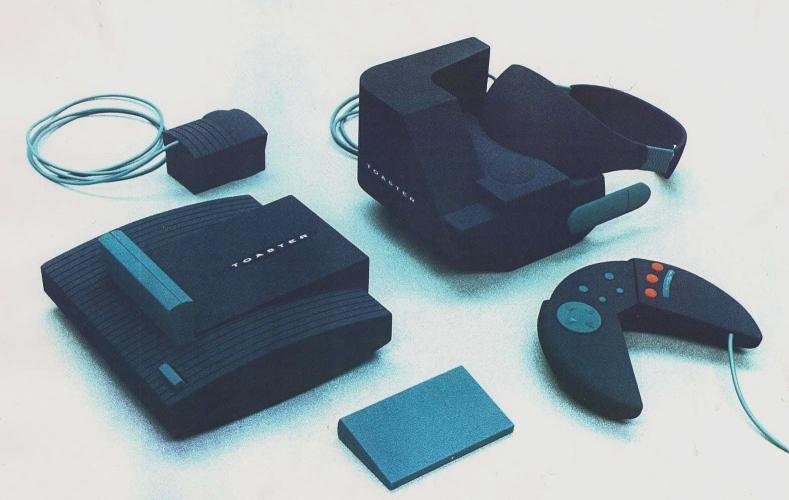
The L600 was to be a Linux-based game console/computer and was in the process of being developed by Indrema until Indrema ceased operations in April 2001. Besides game play, it was also to be a CD player, DVD player, web browser, and TiVo-like video recorder. It also would have been an MP3 storage device. Had the console been released, it would have cost US$299 and would have had 30 games available at launch. It would have had 64MB RAM and 96MB total. Its storage medium would have been 10GB discs. It would have had HDTV support. Indrema would have let regular end-users develop their games via their development kit. Most companies charge more than $10,000 USD for their kits. It would have had a GPU slide bay (it allowed you to slide out the graphics processor when a better one was available), an x86-based microprocessor running at 600 MHz, and it would have been able to process 120-180 million polygons per second. There was little hope for the L600, however, as its speculated release date of Summer 2001 or later was after the launch of Segas Dreamcast and Sonys PlayStation 2, and very near or after the release of Microsofts Xbox and Nintendos GameCube. The Dreamcast and GameCube had launched at considerably lower prices, and PlayStation 2 and Xbox at the same speculated US$299 despite having bigger budgets and less advanced hardware than the L600 was supposed to have, leading to doubts. It was just one of many independently developed systems that would be unable to take consumer attention and spending from more established, previously mentioned companies already in the market.
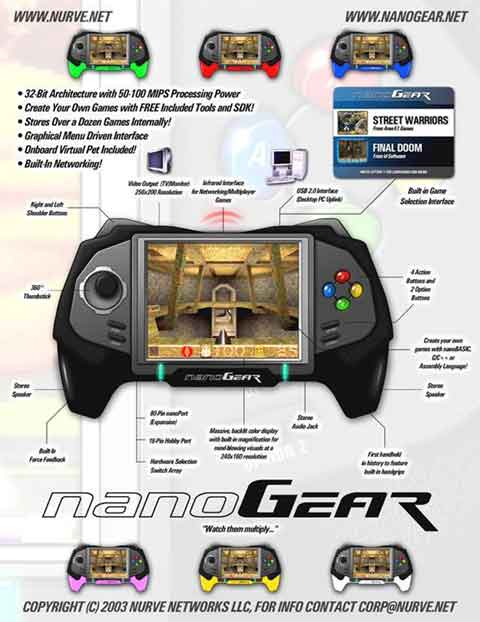
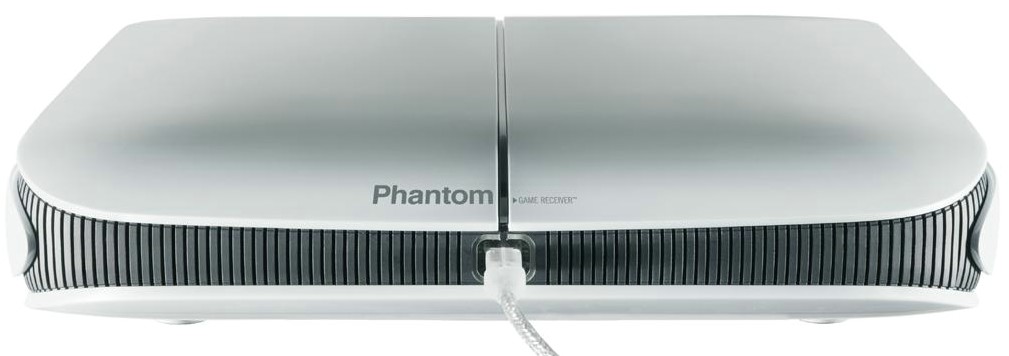
Phantom
Ficha técnica
Historia
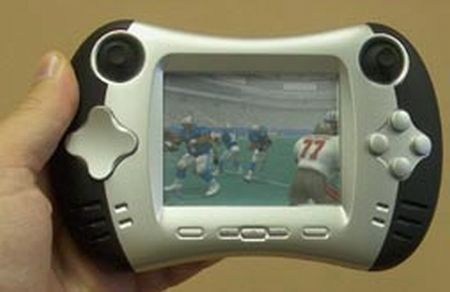
Phantom Entertainment, Inc. (known as Infinium Labs, Inc. until 2006) is a company founded in 2002 by Tim Roberts which makes computer keyboards. However, Phantom is best known for the Phantom, a video game console advertised for Internet gaming on demand in 2004; it was never marketed, leading to suggestions that it was vaporware. The companys website was last updated in late 2011
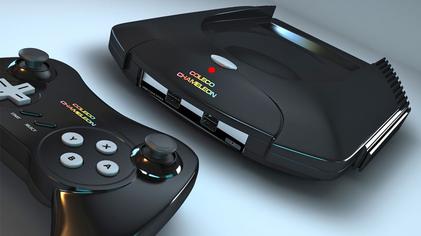
Retro Chameleon
Ficha técnica
Historia
The Retro Chameleon, originally called the Retro VGS then Coleco Chameleon prior to the loss of the Coleco Holdings (owner of the Coleco brand name) license,[1] is a cancelled home video game console. Its creators have stated that it was inspired by the second to fifth generations (1976–1999) of home video game consoles, and like most consoles of those generations, the Retro VGS had planned to run all of its games on individual cartridges, as opposed to optical discs and digital download. The Retro VGS was not expected to support any manner of online connectivity whatsoever, meaning all hardware and software released would have been the final product, and would not have the ability to update after release. A Kickstarter campaign was initially planned to raise funds for the project, but this was later moved to Indiegogo one week before the start of the campaign when a physical prototype was not produced. On March 8, 2016, Retro VGS pulled down their online social media presence after Coleco Holdings had withdrawn their support and involvement from the project.
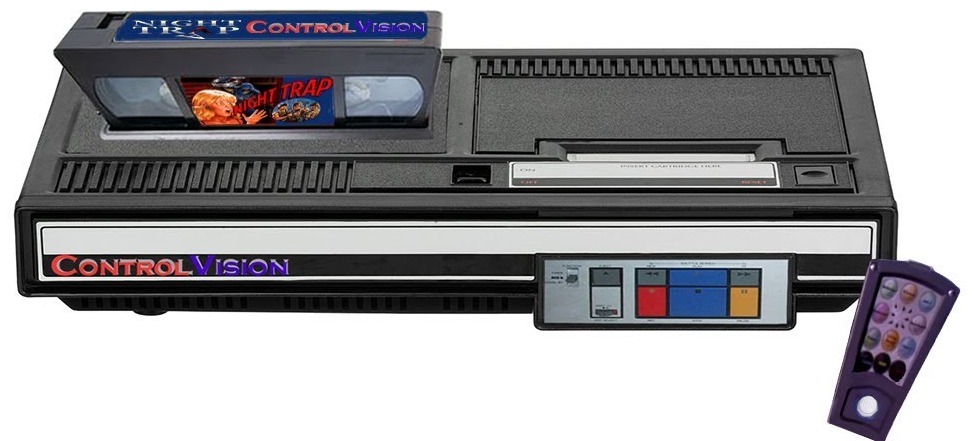
Hasbro Nemo Control-Vision
Ficha técnica
Historia
The Control-Vision (originally codenamed NEMO) is an unreleased video game console developed by Tom Zito. It is notable for using VHS tapes rather than ROM cartridges, prompting the creation of game content which survived on into much more advanced CD-ROM platforms.
Sony Prototype TV Game Machine
Ficha técnica
Historia
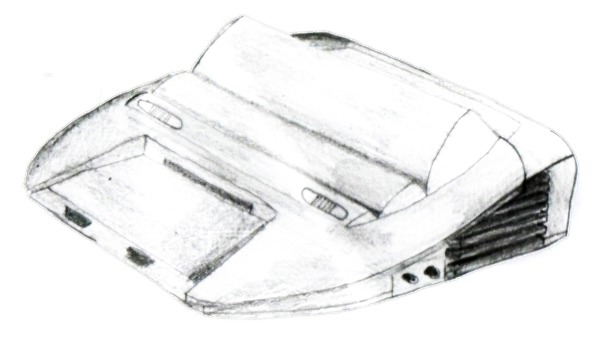
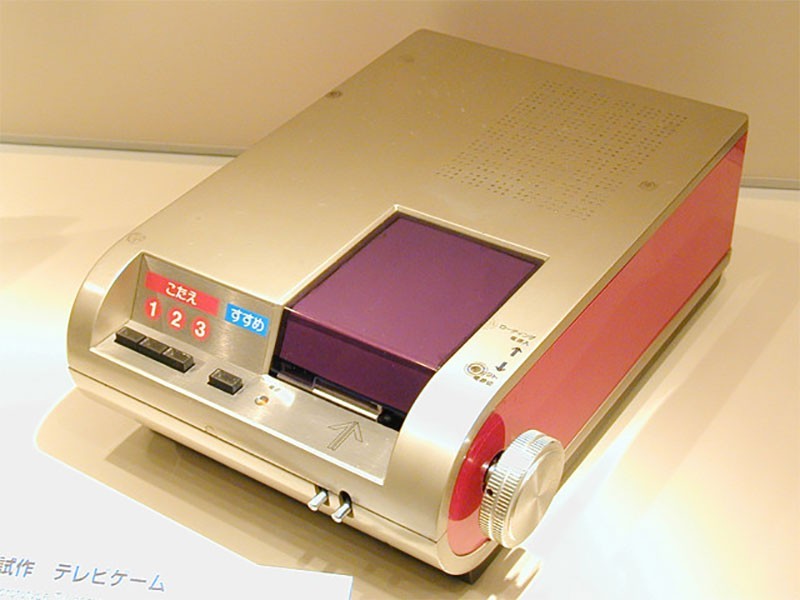
The TV Game Machine is an unreleased prototype console developed by Sony during the first generation of video games
Características
The TV Game Machine features a slot for cartridge-based software. There are four buttons on its front face: three numbered 1-3 and labled こたえ (kotae) in red, meaning answer and one labled すすめ (susume) in blue, meaning proceed.
 With no controller, it is thought that these buttons were how games would have been played. On the right-hand side of the machine is a control wheel.
 It is speculated that it could have been used to scroll through text on screen or for inserting and ejecting the game cartridge.
Taito Wowow
Ficha técnica
Historia
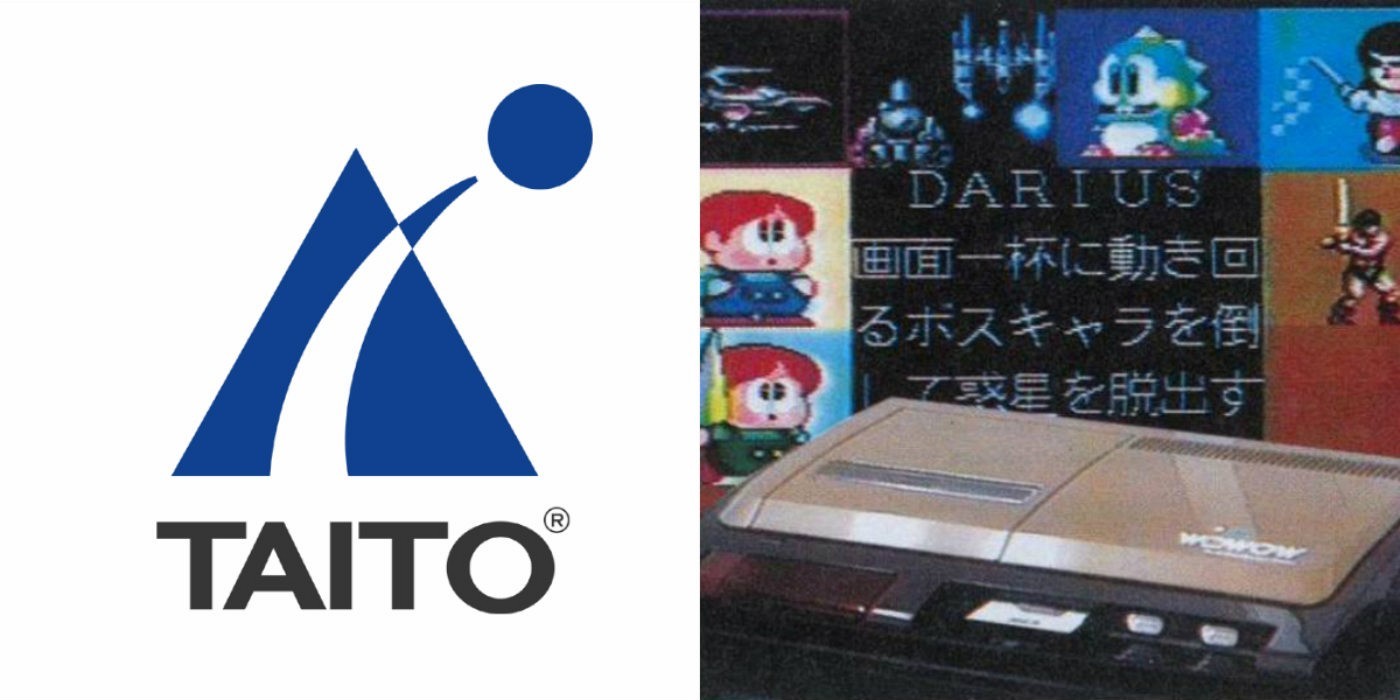
Taitos 16 bit machine that was shown at the Tokyo expo. Had capabilities comparable to the Genesis or TG-16.
Página 1 de 1