Inicio › Ordenadores › Microprocessors

Microprocessors

💾 Ordenadores182 fichaspágina 1/4

Máquinas (1–60 de 182)

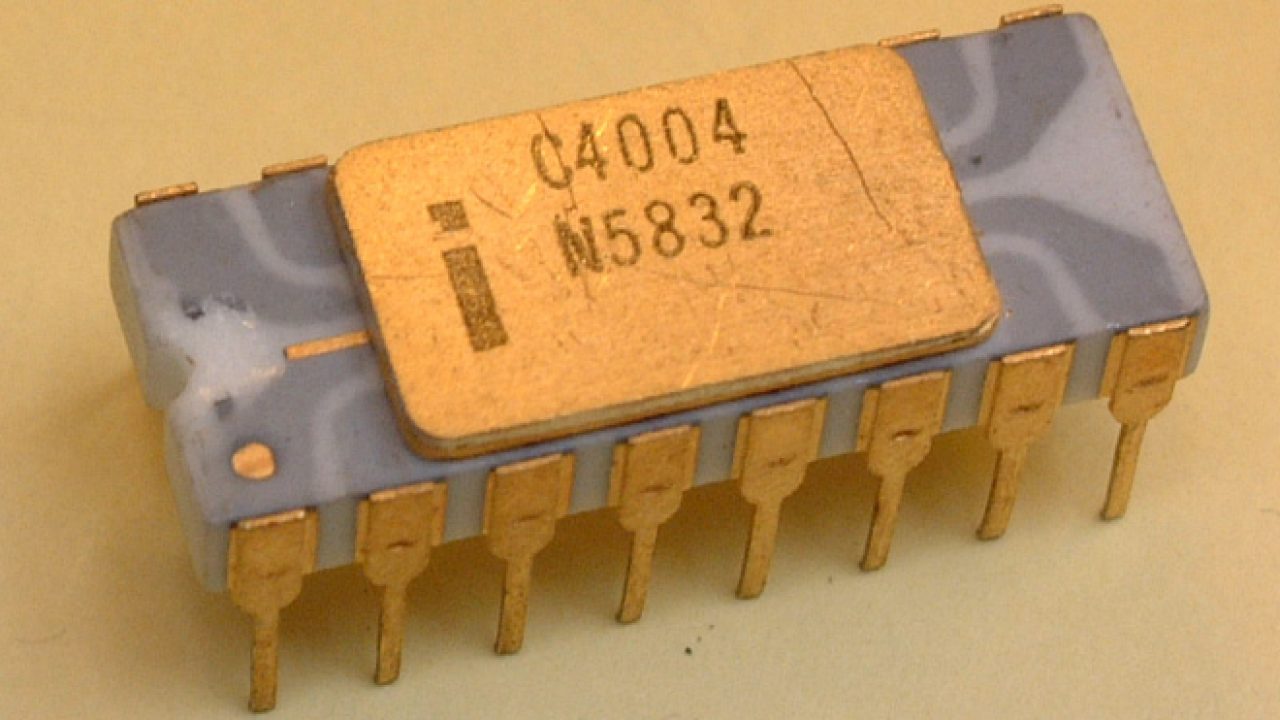
Intel 4004
Intel 4004
📅 1971
Ficha técnica

Historia

The 4004 was the first single chip microprocessor, originally designed and manufactured by Intel for Busicom for use in their calculators. It was invented by Intel engineers Federico Faggin, Ted Hoff, and Stan Mazor and introduced in November 1971.

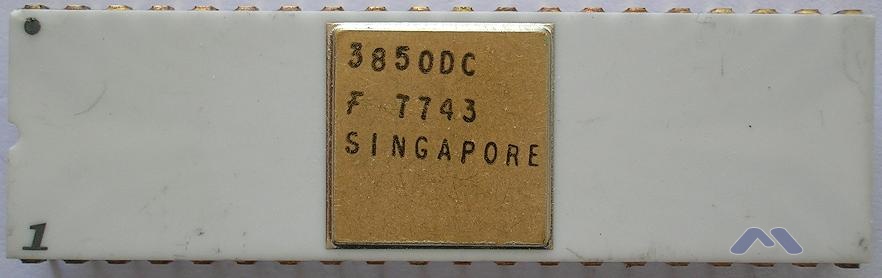
Intel 8008
Intel 8008
📅 1972
Ficha técnica

Historia

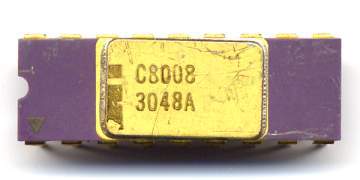
The Intel 8008 was an early CPU designed and manufactured by Intel, introduced in April, 1972.

Intel 4040
Intel 4040
📅 1974
Ficha técnica

Historia

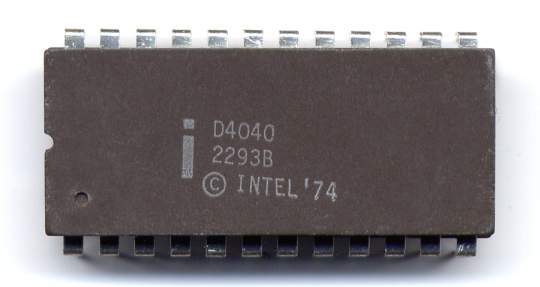
The Intel 4040 is the successor to the Intel 4004. It was introduced in 1974. The 4040 added 14 instructions, larger stack (8 level), 8K program space, 8 more registers, and interrupt abilities. It was used primarily in games, instrumentation and point of sale terminals, development- and control equipment. The 4040 family is also referred to as the MCS-40.

Intel 8080
Intel 8080
📅 1974
Ficha técnica

Historia

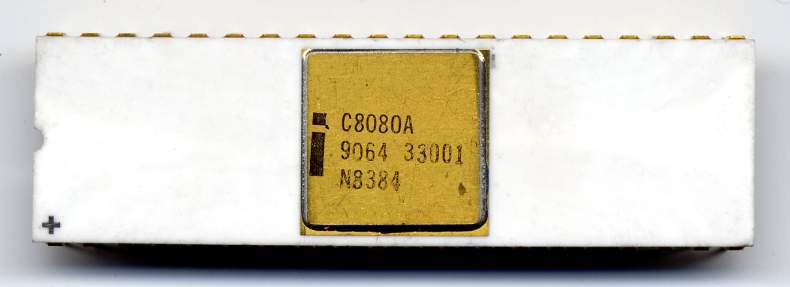
The Intel 8080 is an early 8-bit CPU, released in April 1974 running at 2 MHz, and is generally considered to be the first truly usable microprocessor CPU design. It is the successor to the Intel 8008, with which it was assembly language source-compatible because it used the same instruction set developed by Computer Terminal Corporation. The 8080s 40 pin DIP packaging permitted it to provide a 16-bit address bus and an 8-bit data bus, allowing access to 64 kilobytes of memory. It has seven 8-bit registers (six of which could be combined into three 16-bit registers), a 16-bit stack pointer to memory (replacing the 8008s internal stack), and a 16-bit program counter. The 8080 had 256 I/O ports allowing I/O devices to be connected without the need to allocate memory space - as is required for memory mapped devices - but at the expense of having programmers deal with separate I/O instructions. The first single-board microcomputer was built on the basis of the 8080. The 8080 was used in many early computers, such as the MITS Altair 8800 and IMSAI 8080, forming the basis for machines running the CP/M operating system (the later, fully compatible and more capable, Zilog Z80 processor would capitalize on this, with Z80 & CP/M becoming the dominant CPU & OS combination of the period much like x86 & MS-DOS for the PC a decade later). Shortly after the launch of the 8080, the Motorola 6800 competing design was introduced, and after that, the MOS Technology 6502 clone of the 6800. At Intel, the 8080 was followed by the compatible and electrically more elegant 8085, and later by the assembly language compatible 16-bit 8086 and then the 8/16-bit 8088, which was selected by IBM for its new PC to be launched in 1981. The 8080, via its ISA, thus got a lasting impact on computer history. The 8080 was very popular and was second-sourced by various manufacturers. Clones of the 8080 were also made in former Eastern Block countries like USSR, Poland, CSSR, Hungary and Romania.
Motorola 6800
Motorola 6800
📅 1974
Ficha técnica

Historia

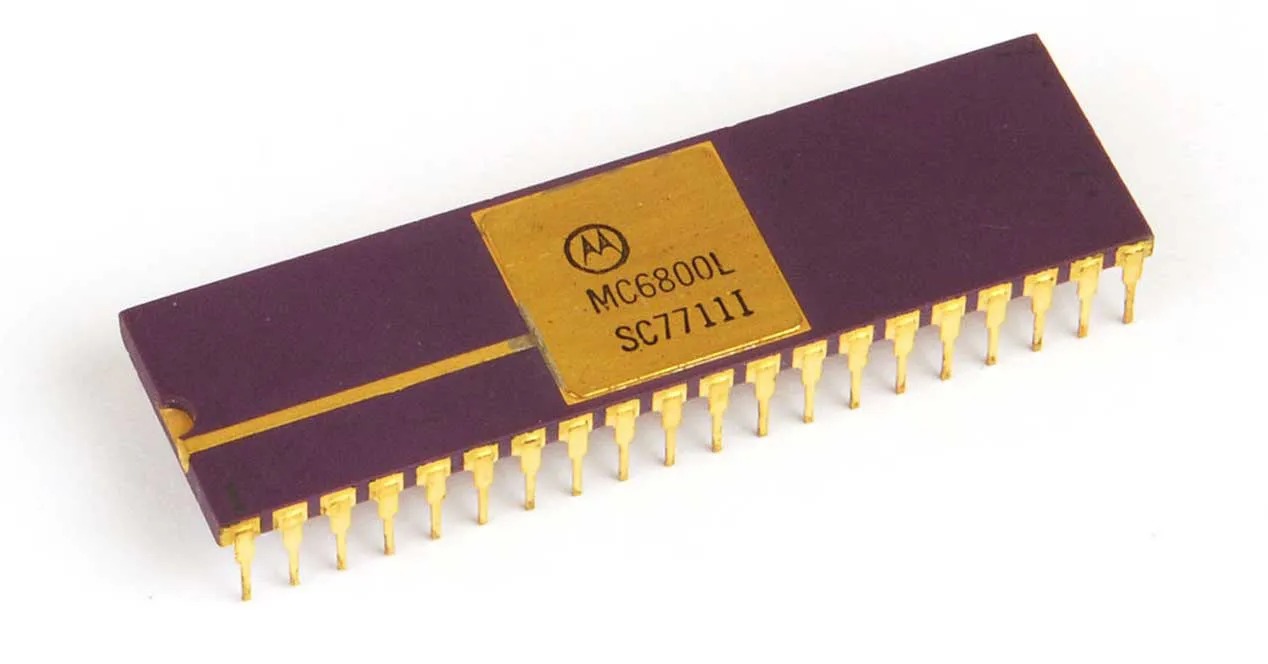
The 6800 processor was released by Motorola in 1974, shortly after the Intel 8080. It was the basic for Motorolas entrance into the microprocessor market. Like the Intel 8080 it was designed as an enhancement of the Intel 8008 but is not technically based on it

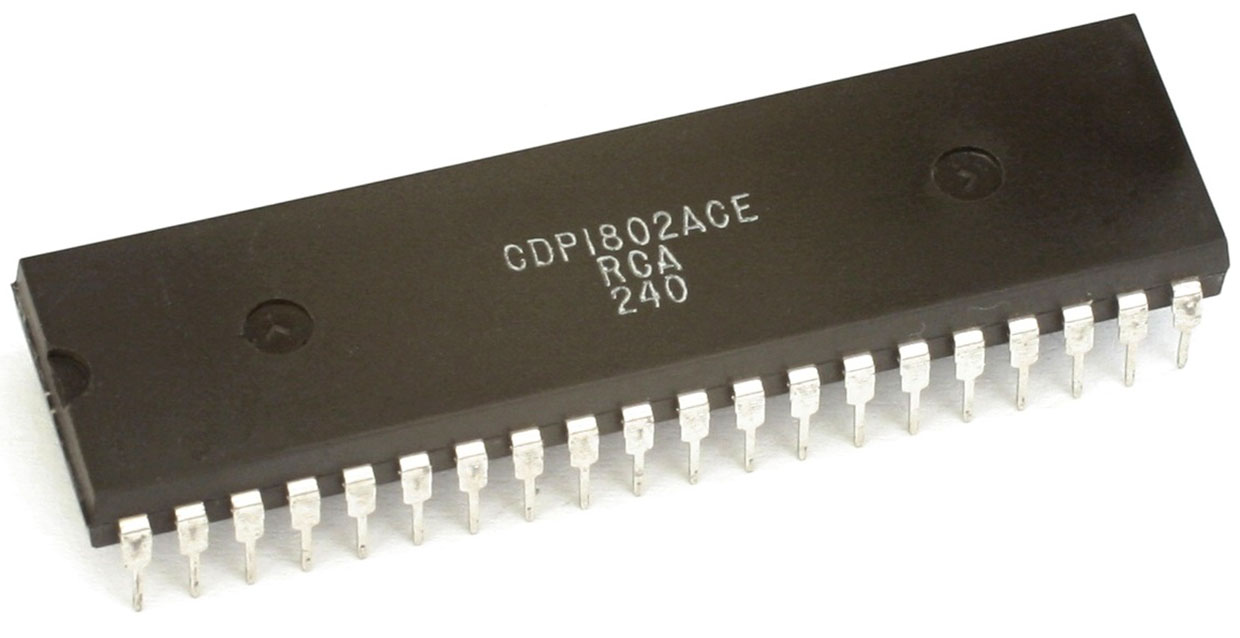
RCA 1802
RCA 1802
📅 1974
Ficha técnica

Historia

The COSMAC is an 8-bit microprocessor family introduced by RCA. It is historically notable as the first CMOS microprocessor. The first production model was the two-chip CDP1801R and CDP1801U, which were later combined into the single-chip CDP1802. The 1802 represented the majority of COSMAC production, and today the entire line is known simply as the RCA 1802.

Sharp SM5xx
Sharp SM5xx
📅 1974
Ficha técnica

Características

Sharp SM510 (ROM 2772×8 bit, RAM 128×4 bit, a divider and 132-segment LCD driver circuit)
Sharp SM511/SM512 (ROM 4032×8 bit, RAM 128/142×4 bit, a divider and 136/200-segment LCD driver circuit)
AMD 8080
AMD 8080
📅 1975
Ficha técnica

Historia

AMDs business in the 1970s was not the creation of new products; it concentrated on making higher quality versions of existing products under license. For example, all of its products met MILSPEC requirements no matter what the end market was. In 1975, AMD began selling reverse-engineered clones of the Intel 8080 processor. The AMD 9080A was a plug-in replacement for Intels 8080, an unauthorized second source. As a result of that AMD negotiated a technology cross-license and patent cross-license with Intel in 1975 and renamed the chip 8080A.

Ami S2150
Ami S2150
📅 1975
Ficha técnica

Historia

S2000 is a family of 4-bit microcontrollers manufactured by American Microsystems, Inc (AMI) in the first half 1980. Depending on part number, 2000 or 215x, the microcontroller had either 32 or 40 byte on-chip scratchpad RAM, and 1 KB or 1.5 KB ROM.

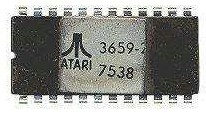
Atari 3659-1C
Atari 3659-1C
📅 1975
Ficha técnica

Características

Atari PONG, 2 player version
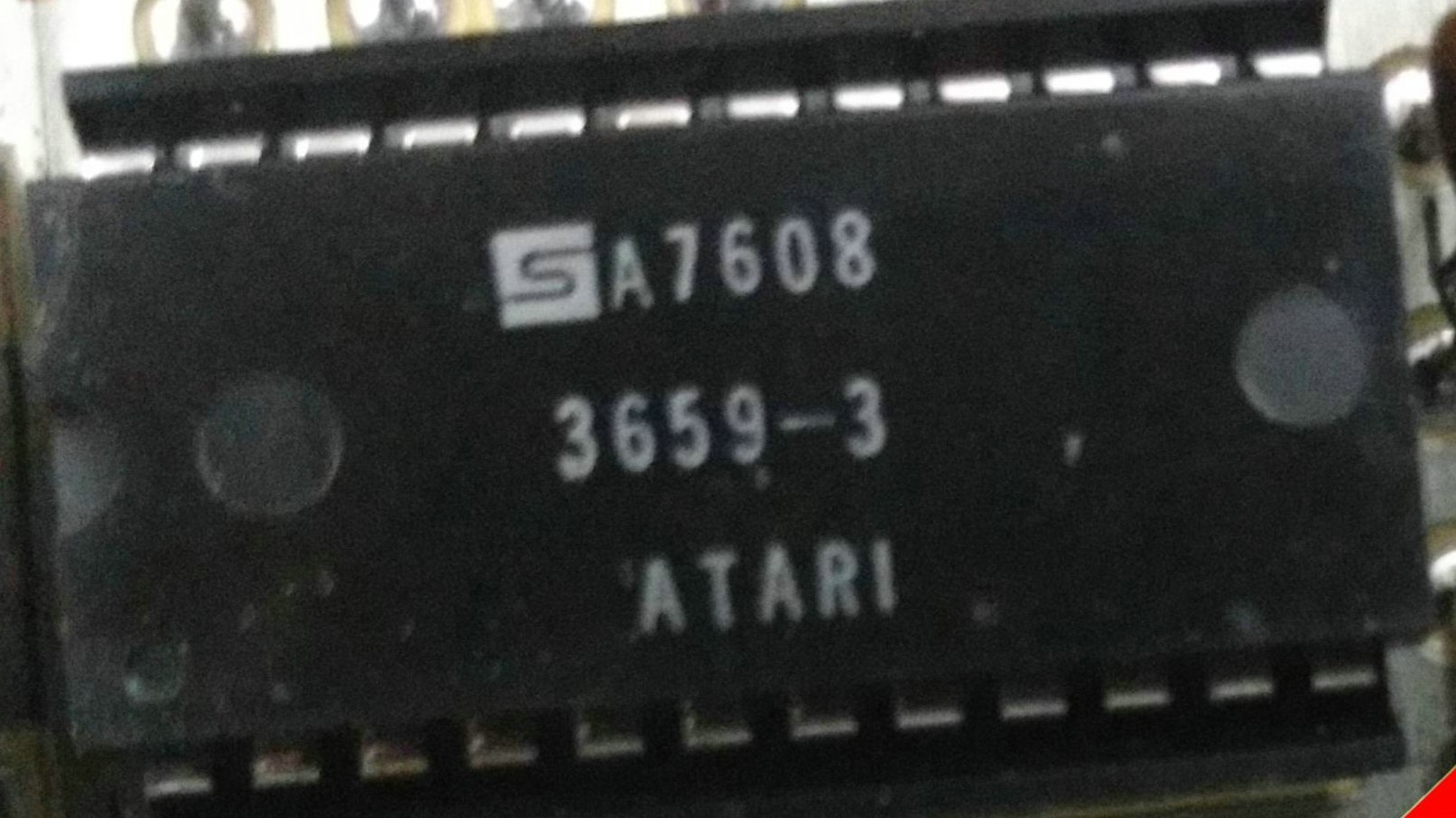
Atari 3659-3
Atari 3659-3
📅 1975
Ficha técnica

Características

Atari PONG Doubles and Sears PONG IV: 4 player version
Fairchild F8
Fairchild F8
📅 1975
Ficha técnica

Historia

In April 1975 Fairchild began sampling the F8 processor with production quantities available in the fall of 1975. Fairchild knew the importance of having second sources available and in June 1975 reached an agreement with Mostek to allow Mostek to produce the F8 as well. The 10 year agreement with Mostek included complete mask set transfers as Mosteks NMOS isoplanar process was completely compatible with Fairchilds. The agreement also called for continuing development of the F8 processor system, allowing each company to develop F8 products independently of each other as well as together (this is important down the road). Mostek was able to rapidly produce the F8 system, faster, cheaper, and more reliable than Fairchild. The F8 introduction price was $130 per unit. When Mostek began production in 1975 prices were down to $85 per unit. In February 1976 Mostek lowered prices to $55 per unit ($64 to $28 if you bought more than 100 pieces). The F8 was also licensed to SGS-Ates of Italy in 1976. Also in February of 1976 Fairchild signed a agreement with Olympia Werke A.G., a German company, allowing production and sharing of information on the F8 processor. It also allowed Fairchild (and any of its second sources, including Mostek) to use any of Olympia’s processor technology and products. So why did Fairchild reach such an agreement with Olympia, a relatively small company? Because General Instruments was suing Fairchild at the time

Fairchild F8
Fairchild F8
📅 1975
Ficha técnica

Historia

In April 1975 Fairchild began sampling the F8 processor with production quantities available in the fall of 1975.

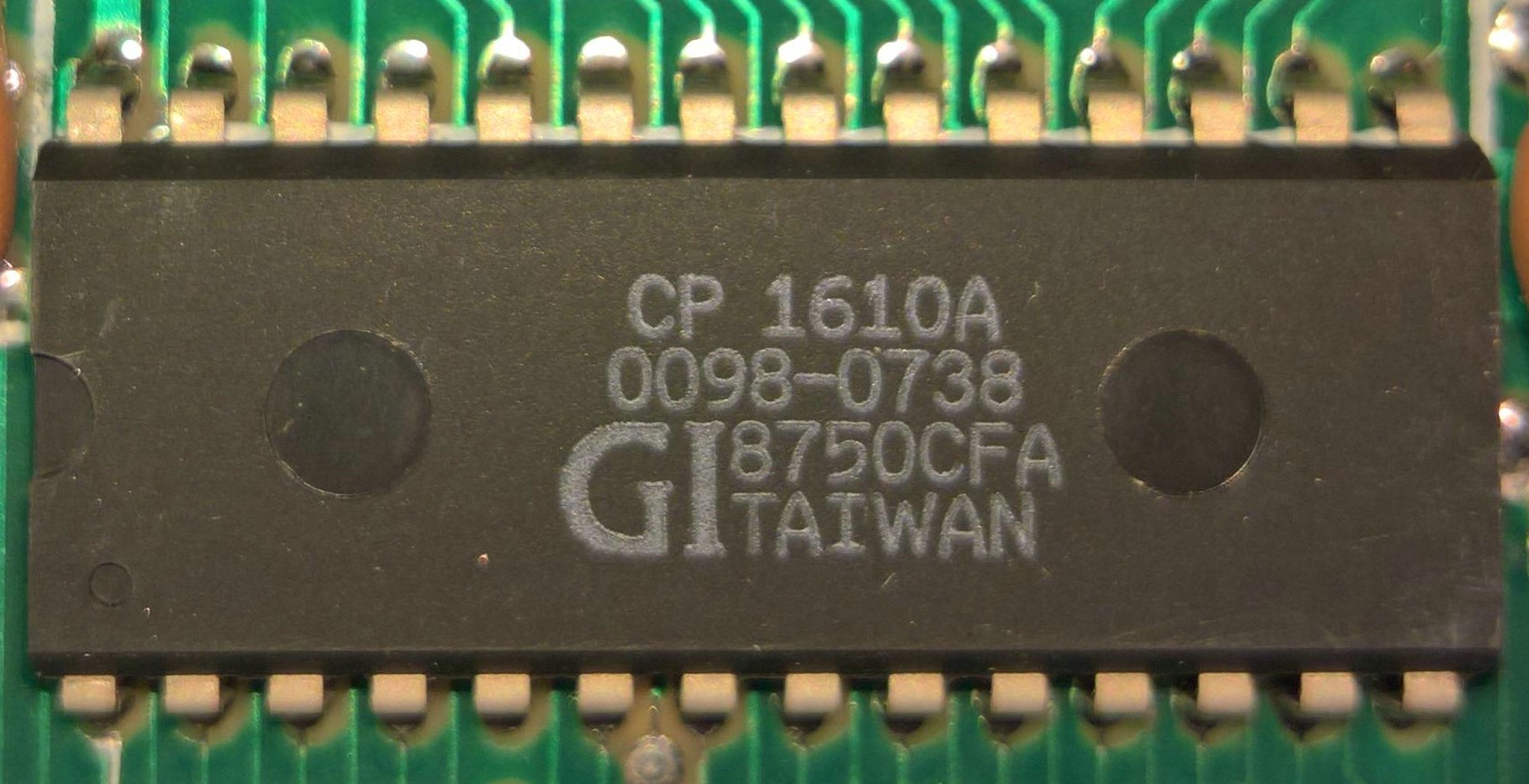
General Instrument CP1610
📅 1975
Ficha técnica

Historia

The CP1600 is a 16-bit microprocessor created in a partnership between General Instrument and Honeywell in 1975. The CP1600s design was based on the PDP-11, whose design also formed the basis of the Western Digital MCP-1600 and influenced others. Honeywell used the CP1600 in a number of process control computers and related systems, but its most widespread use was the CP1610 version in the Intellivision video game console.

MOS Technology 6502
MOS Technology 6502
📅 1975
Ficha técnica

Historia

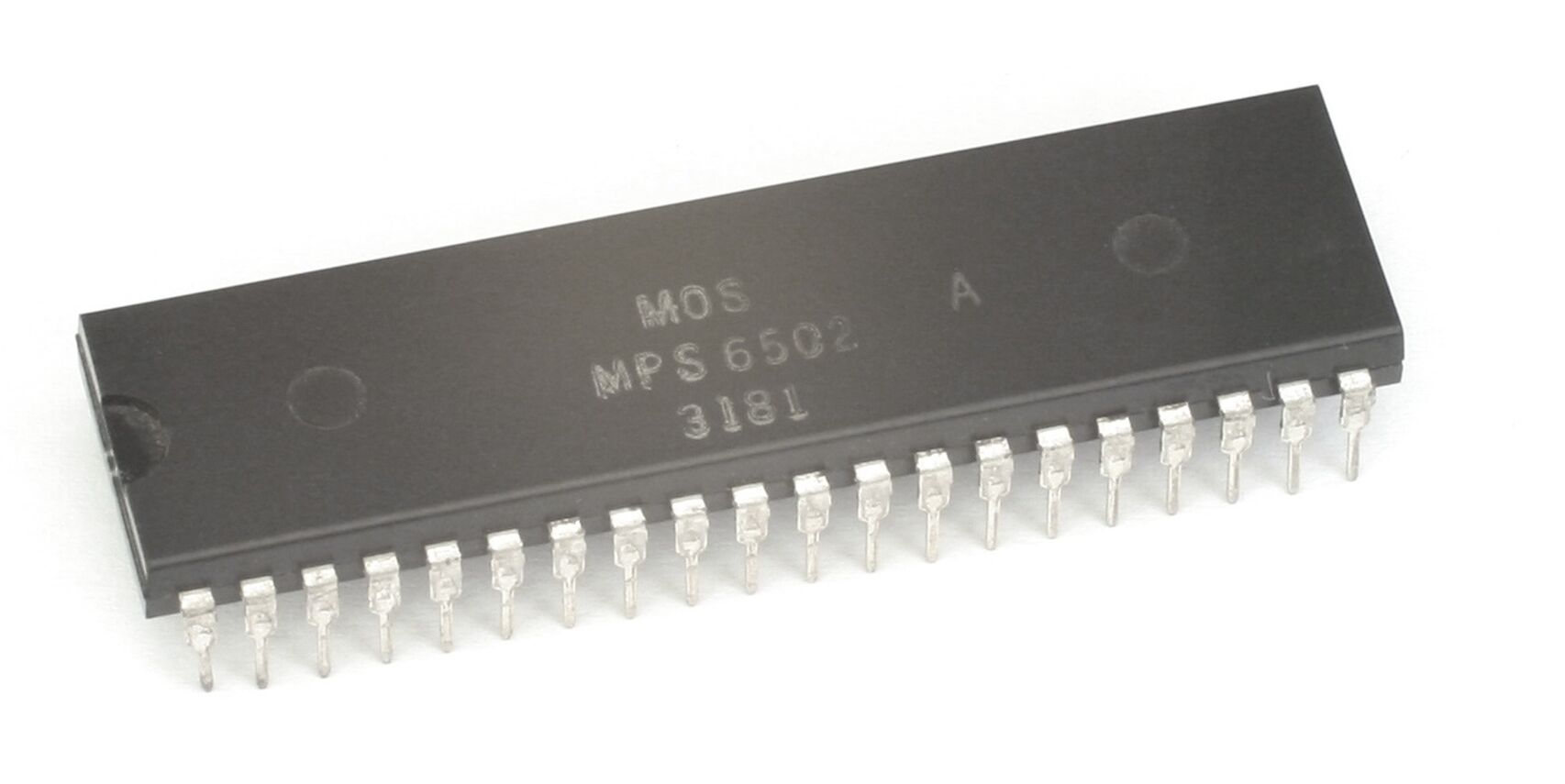
The 6502 is an 8-bit processor designed by MOS Technology in 1975, based on the design of the Motorola 6800. When it was introduced it was the least expensive full featured CPU on the market by far, at about 1/6th the price, or less, of competing designs from larger companies such as Motorola and Intel. It was nevertheless faster than most of them, and, along with the Zilog Z80, sparked off a series of computer projects that would eventually result in the home computer revolution of the 1980s. The 6502 design was originally second-sourced by Rockwell and Synertek and later licensed to a number of companies; it is still made for embedded systems. Unlike the Intel 8080 and its kind, the 6502 had very few registers. It was an 8-bit processor with 16-bit address bus. Inside was one 8-bit data register (accumulator), two 8-bit index registers and an 8-bit stack pointer. When the 6502 was introduced, RAM was actually faster than CPUs, so it made sense to optimize for RAM access rather than increase the number of registers on a chip. 6502 processors were used in a variety of home computers of the early 80s, for example in: Commodore PET and VC20 Apple I, II and III Atari 400, 800, 600/800XL Acorn Atom and Electron

MOS Technology 6502
MOS Technology 6502
📅 1975
Ficha técnica

Historia

The 6502 is an 8-bit processor designed by MOS Technology in 1975, based on the design of the Motorola 6800. When it was introduced it was the least expensive full featured CPU on the market by far, at about 1/6th the price, or less, of competing designs from larger companies such as Motorola and Intel. It was nevertheless faster than most of them, and, along with the Zilog Z80, sparked off a series of computer projects that would eventually result in the home computer revolution of the 1980s. The 6502 design was originally second-sourced by Rockwell and Synertek and later licensed to a number of companies; it is still made for embedded systems. Unlike the Intel 8080 and its kind, the 6502 had very few registers. It was an 8-bit processor with 16-bit address bus. Inside was one 8-bit data register (accumulator), two 8-bit index registers and an 8-bit stack pointer. When the 6502 was introduced, RAM was actually faster than CPUs, so it made sense to optimize for RAM access rather than increase the number of registers on a chip. 6502 processors were used in a variety of home computers of the early 80s, for example in: Commodore PET and VC20 Apple I, II and III Atari 400, 800, 600/800XL Acorn Atom and Electron

MOS Technology 6502
MOS Technology 6502
📅 1975
Ficha técnica

Historia

The 6502 is an 8-bit processor designed by MOS Technology in 1975, based on the design of the Motorola 6800.

MOS Technology 6502
MOS Technology 6502
📅 1975
Ficha técnica

Historia

The 6502 is an 8-bit processor designed by MOS Technology in 1975, based on the design of the Motorola 6800. When it was introduced it was the least expensive full featured CPU on the market by far, at about 1/6th the price, or less, of competing designs from larger companies such as Motorola and Intel. It was nevertheless faster than most of them, and, along with the Zilog Z80, sparked off a series of computer projects that would eventually result in the home computer revolution of the 1980s. The 6502 design was originally second-sourced by Rockwell and Synertek and later licensed to a number of companies; it is still made for embedded systems.

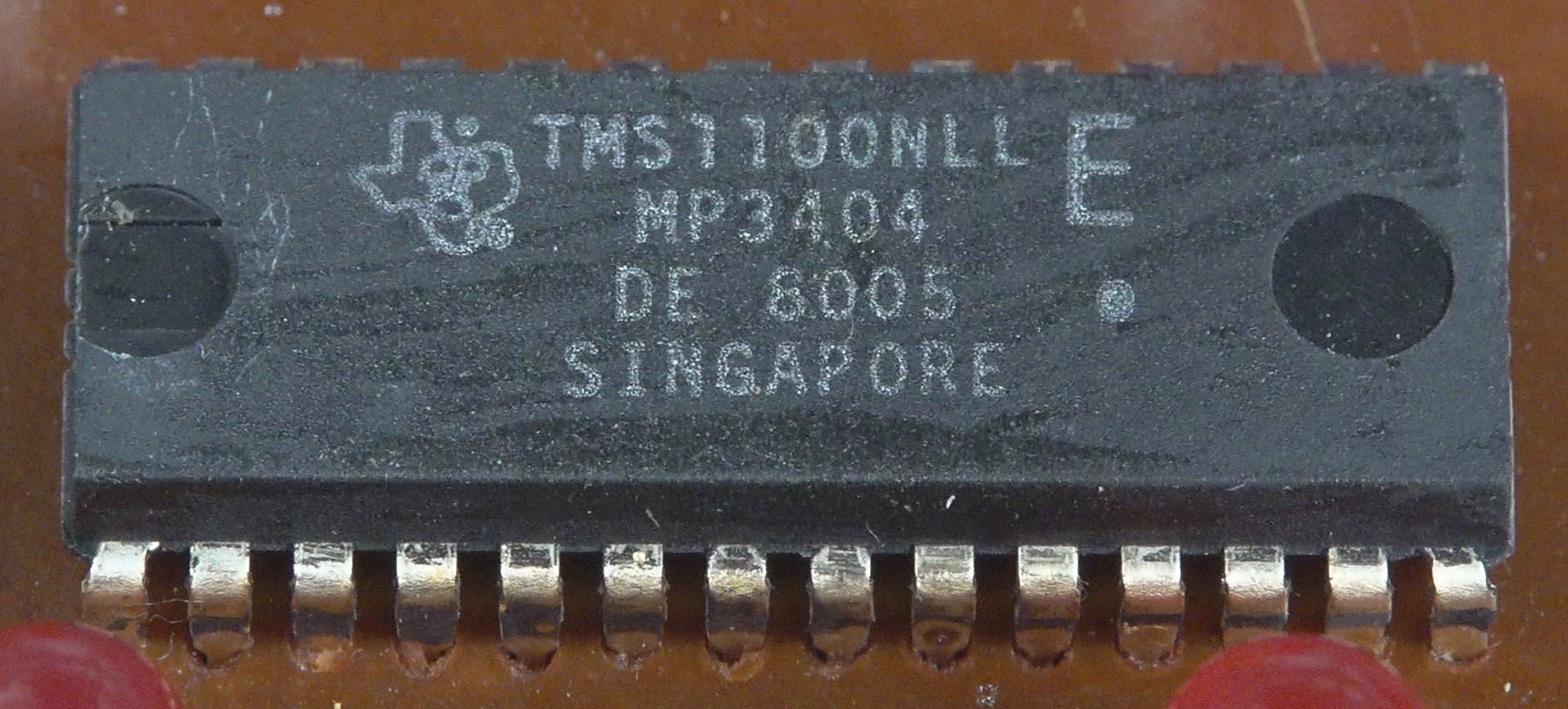
MOS Technology 6507
MOS Technology 6507
📅 1975
Ficha técnica

Historia

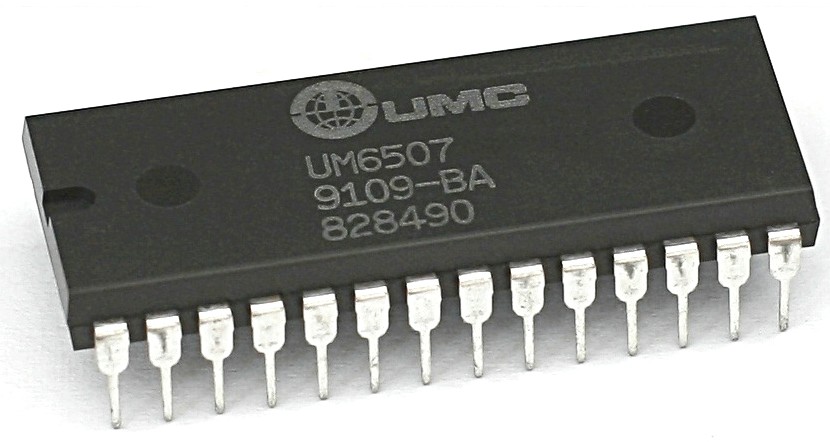
The 6507 is an 8-bit microprocessor from MOS Technology, Inc. It is a version of their 6502 packaged in a 28-pin DIP, which makes it cheaper to package and integrate in systems. The reduction in pin count is achieved by reducing the address bus from 16 bits to 13 (limiting memory from 64 kB to only 8 kB), and removing a number of other pins only needed in certain applications.

Atari C010073-3
Atari C010073-3
📅 1976
Ficha técnica

Características

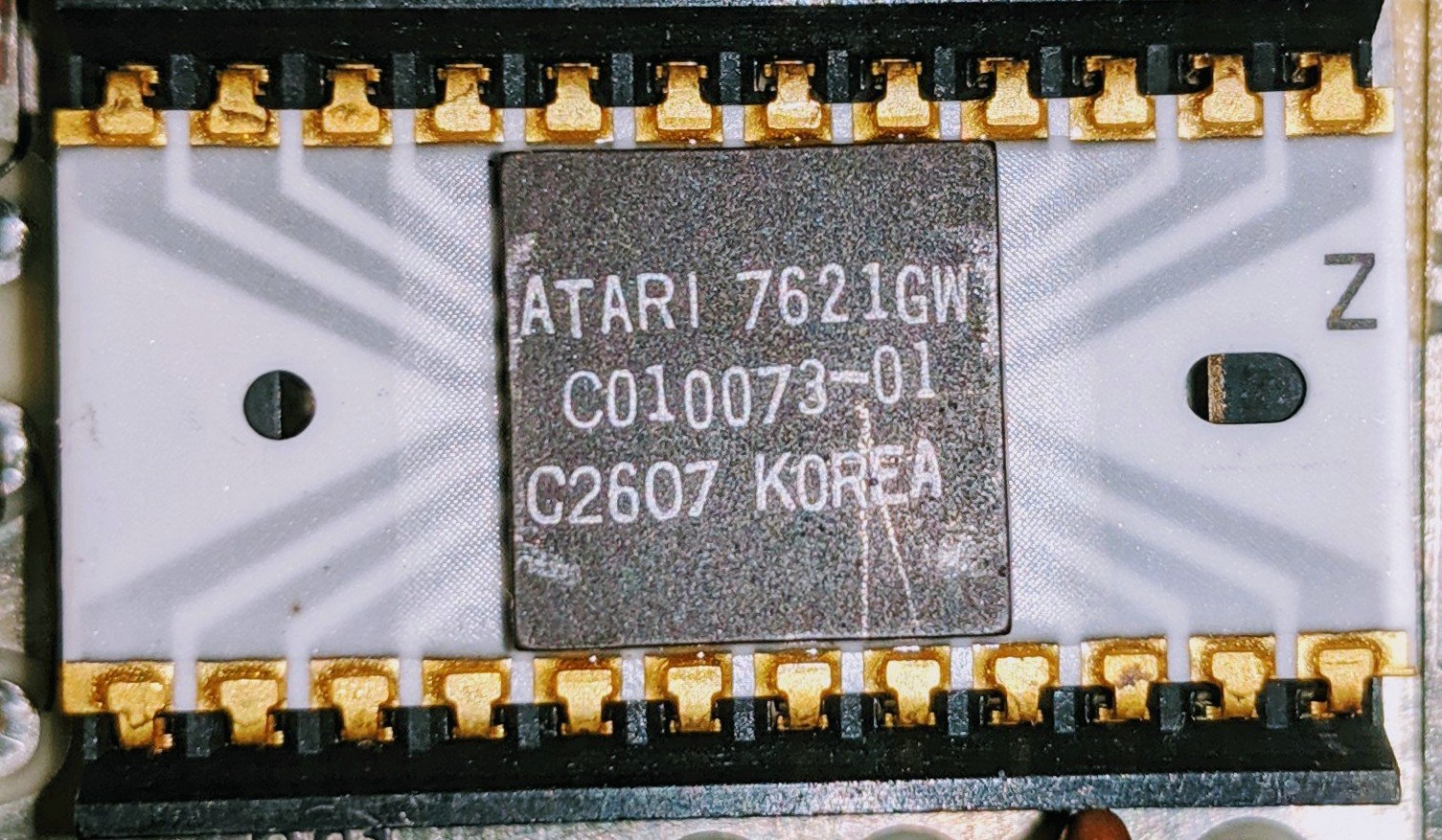
Atari and Sears Super PONG
Atari C011500
Atari C011500
📅 1976
Ficha técnica

Características

Atari Video Pinball
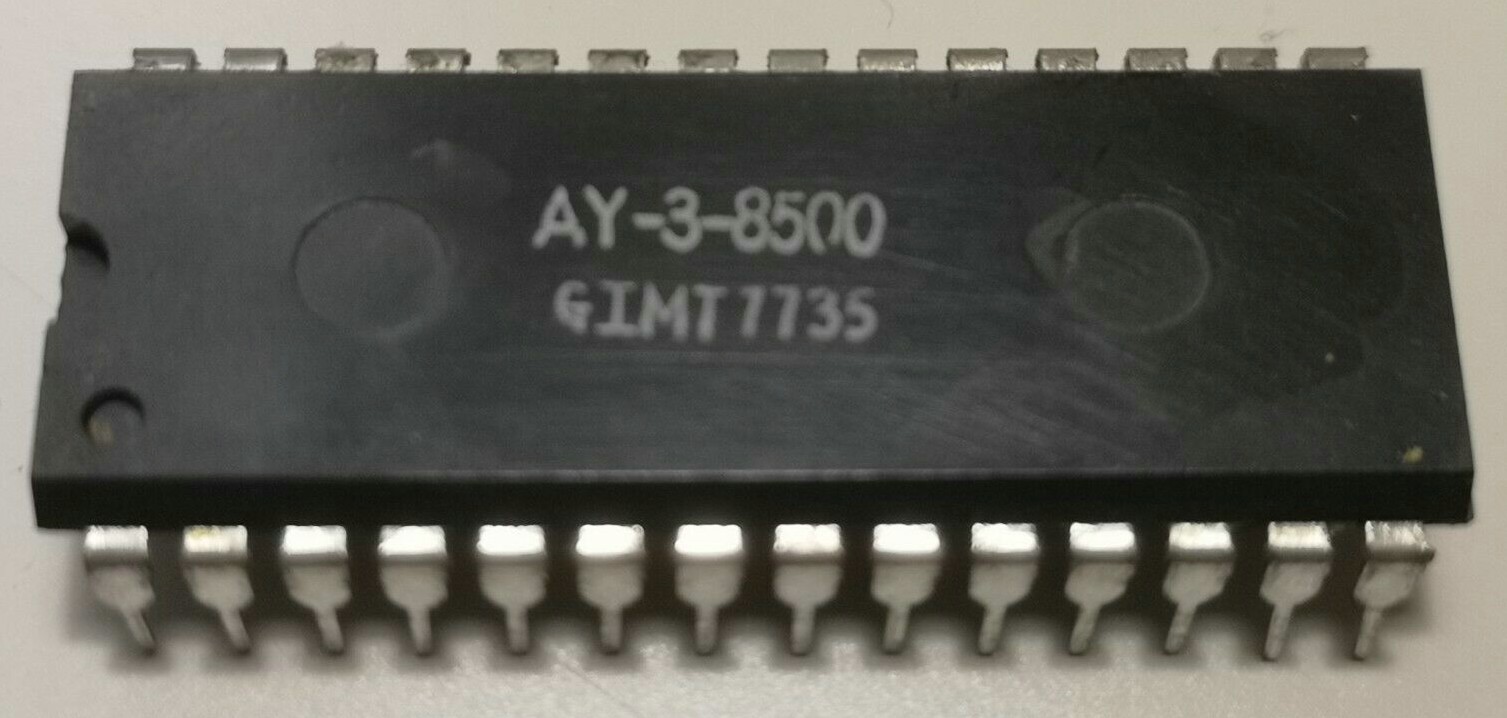
General Instruments AY-3-8500
📅 1976
Ficha técnica

Historia

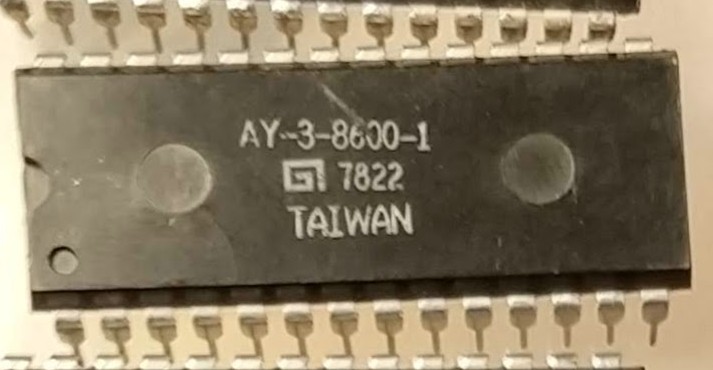
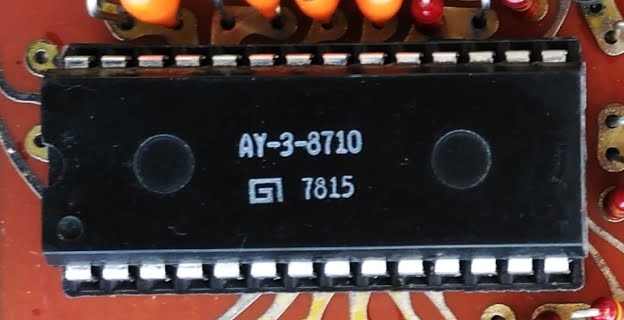
The AY-3-8500 Ball & Paddle integrated circuit was the first in a series of ICs from General Instrument designed for the consumer video game market. These chips were designed to output video to an RF modulator, which would then display the game on a domestic television set. The AY-3-8500 contained six selectable games — tennis (a.k.a. Pong), soccer, squash, practice, and two rifle shooting games. The AY-3-8500 was the 625-line PAL version and the AY-3-8500-1 was the 525-line NTSC version. It was introduced in 1976, Coleco becoming the first customer having been introduced to the IC development by Ralph H. Baer.[1] A minimum number of external components were needed to build a complete system. The AY-3-8500 was the first version. It played seven Pong variations. The video was in black-and-white, although it was possible to colorize the game by using an additional chip, such as the AY-3-8515.
Características

4 juegos de tennis y 2 de disparos - BN
General Instruments AY-3-8800
📅 1976
Ficha técnica

Características

4 games: Black Jack, Draw Poker, Acey/Ducey and WAR
Intel 8048
Intel 8048
📅 1976
Ficha técnica

Historia

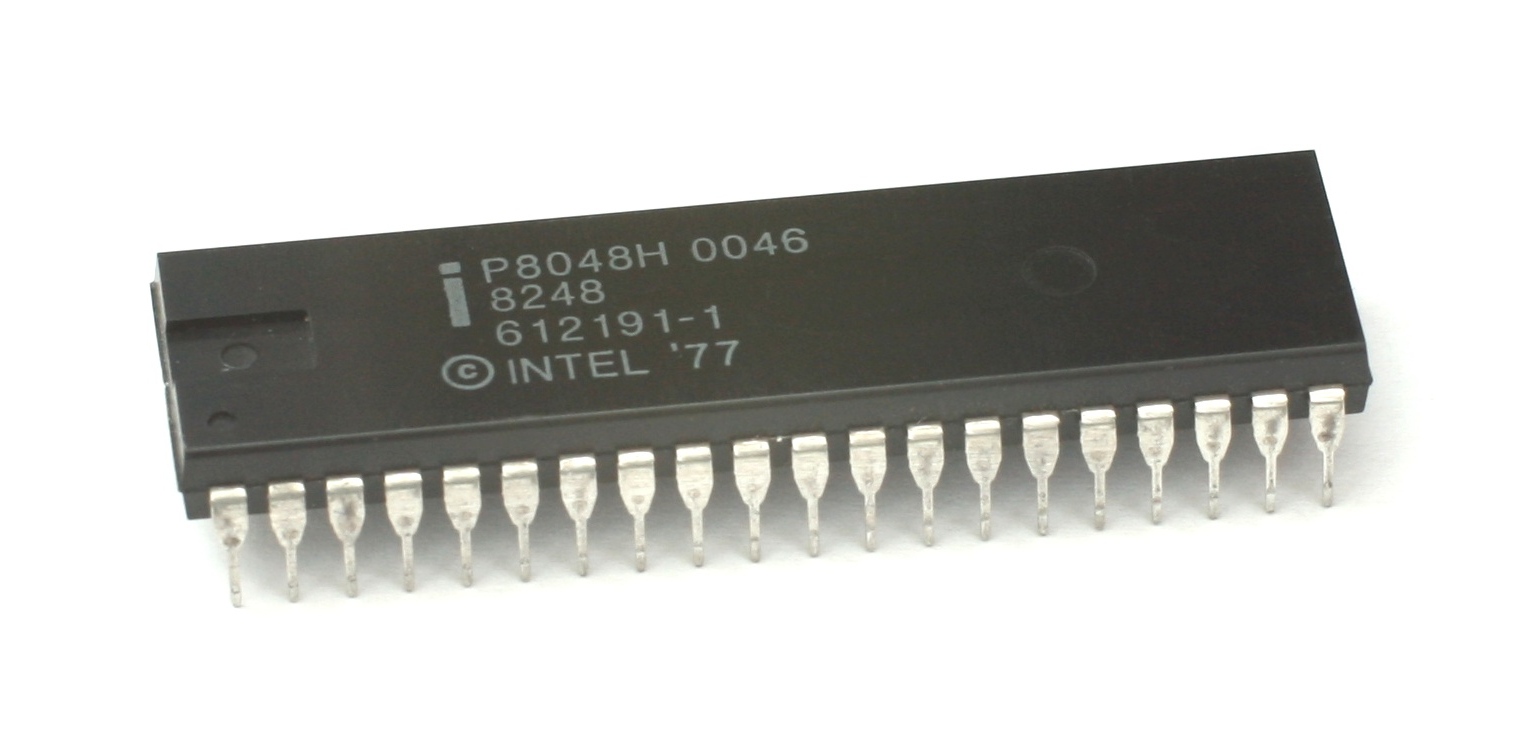
he MCS-48 microcontroller (µC) series, Intels first microcontroller, was originally released in 1976. Its first members were 8048, 8035 and 8748. Initially, this family was produced using NMOS (n-type metal–oxide–semiconductor) technology. In the early 1980s, it became available in CMOS technology. It was still manufactured into the 1990s to support older designs that still used it. The MCS-48 series has a modified Harvard architecture, with internal or external program ROM and 64–256 bytes of internal (on-chip) RAM. The I/O is mapped into its own address space, separate from programs and data. The 8048 is probably the most prominent member of Intels MCS-48 family of microcontrollers. Device Internal Memory Remarks 8020 1K × 8 ROM 64 × 8 RAM subset of 8048, 20 pins, only 13 I/O lines 8021 1K × 8 ROM 64 × 8 RAM subset of 8048, 28 pins, 21 I/O lines 8022 2K × 8 ROM 64 × 8 RAM subset of 8048, A/D-converter 8035 none 64 × 8 RAM 8039 none 128 × 8 RAM 8040 none 256 × 8 RAM 8048 1K × 8 ROM 64 × 8 RAM 8049 2K × 8 ROM 128 × 8 RAM 8050 4K x 8 ROM 256 × 8 RAM 8748 1K × 8 EPROM 64 × 8 RAM 8749 2K × 8 EPROM 128 × 8 RAM 87P50 ext. ROM socket 256 × 8 RAM Has piggy-back socket for 2758/2716/2732 EPROM. 8648 1K × 8 OTP EPROM 64 × 8 RAM factory OTP EPROM

Intel 8085
Intel 8085
📅 1976
Ficha técnica

Historia

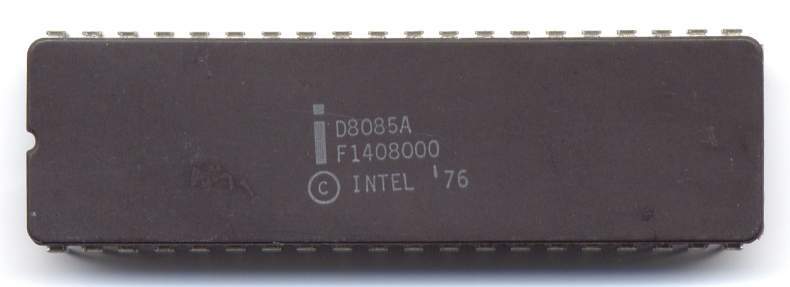
The Intel 8085 is an 8-bit processor made by Intel and introduced in 1976. It is binary compatible with the Intel 8080 but requires less supporting hardware, thus allowing simpler and less expensive microcomputer systems to be built. Intel made the 8085 as a significant improvement on the 8080, both in performance and handling issues. It has improved hardware by only using +5V power (the 8080 required +5V, -5V and +12V), and clock generator and bus controller circuits on-chip. The 5 in the model number came from the fact that the 8085 required only a 5-volt power supply. The 8085 was a transition design on the way to the 16-bit 8086. There are multiple versions of Intel 8085 processor: The original 8085, the 8085A with bug fixes and the 8085AH HMOS version. Some second-source manufactures also produced CMOS version of the 8085 microprocessor (80C85).

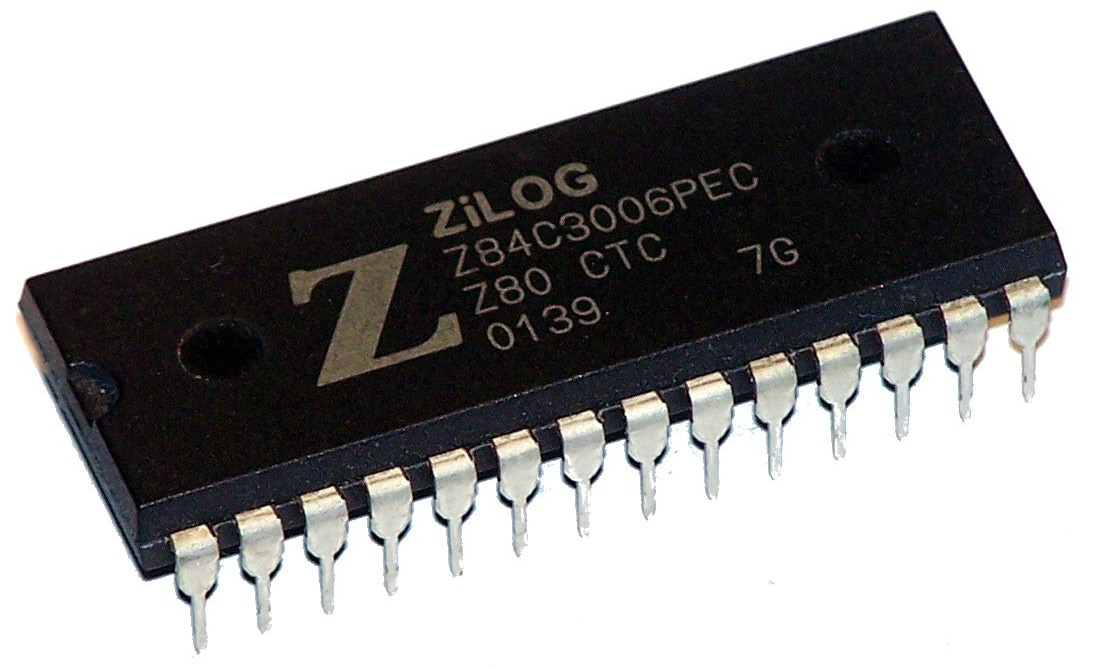
Zilog Z80
Zilog Z80
📅 1976
Ficha técnica

Historia

ZiLOG is a manufacturer of 8-bit CPUs, and is most famous for its Z80 series. Zilog was incorporated in California in 1974 by Federico Faggin, who left Intel after working on the 8080, and the Z80 shared many features with it. After the Z80 Zilog introduced 16-bit and 32-bit processors, but these were not particularly successful, and the company refocused on the microcontroller market, producing both basic CPUs and application-specific integrated circuits/standard products (ASICs/ASSPs) built around a CPU core. As well as producing processors, Zilog have produced several other components. One of the most famous was the Z8530 serial communications controller as found on Sun SPARCstations and SPARCservers up to the SPARCstation 20. The company became a subsidiary of Exxon in 1980, but the management and employees bought it back in 1989. It went public in 1991, but was acquired in 1998 by Texas Pacific Group, who, after chip prices plummeted, reorganized the company in a Chapter 11 bankruptcy in late 2001.

Zilog Z80
Zilog Z80
📅 1976
Ficha técnica

Historia

ZiLOG is a manufacturer of 8-bit CPUs, and is most famous for its Z80 series. Zilog was incorporated in California in 1974 by Federico Faggin, who left Intel after working on the 8080, and the Z80 shared many features with it. After the Z80 Zilog introduced 16-bit and 32-bit processors, but these were not particularly successful, and the company refocused on the microcontroller market, producing both basic CPUs and application-specific integrated circuits/standard products (ASICs/ASSPs) built around a CPU core. As well as producing processors, Zilog have produced several other components. One of the most famous was the Z8530 serial communications controller as found on Sun SPARCstations and SPARCservers up to the SPARCstation 20. The company became a subsidiary of Exxon in 1980, but the management and employees bought it back in 1989. It went public in 1991, but was acquired in 1998 by Texas Pacific Group, who, after chip prices plummeted, reorganized the company in a Chapter 11 bankruptcy in late 2001.

Atari C010765
Atari C010765
📅 1977
Ficha técnica

Características

Atari Ultra PONG and Ultra PONG Doubles
Intel 8021
Intel 8021
📅 1977
Ficha técnica

Historia

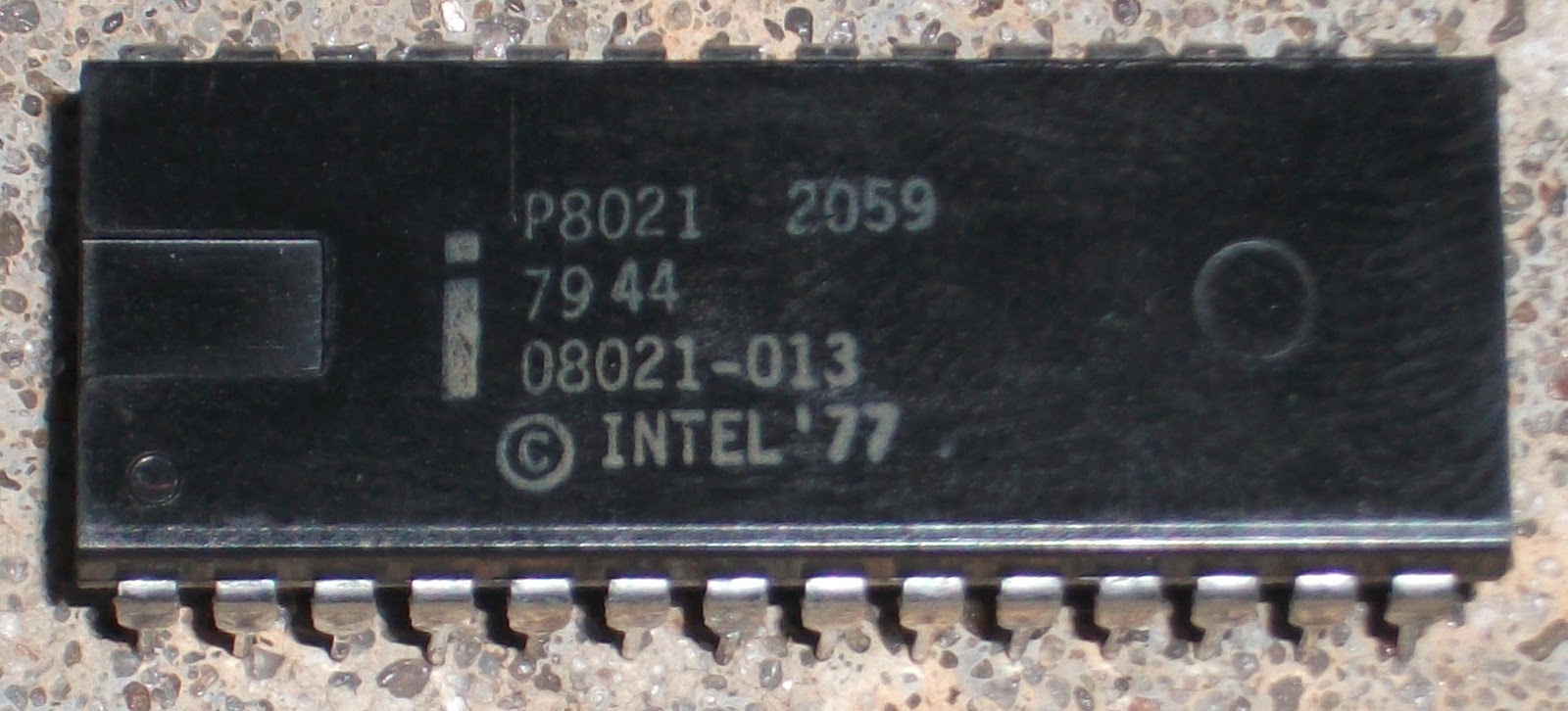
The MCS-48 microcontroller (µC) series, Intels first microcontroller, was originally released in 1976. Its first members were 8048, 8035 and 8748. Initially, this family was produced using NMOS (n-type metal–oxide–semiconductor) technology. In the early 1980s, it became available in CMOS technology. It was still manufactured into the 1990s to support older designs that still used it. The MCS-48 series has a modified Harvard architecture, with internal or external program ROM and 64–256 bytes of internal (on-chip) RAM. The I/O is mapped into its own address space, separate from programs and data. The 8048 is probably the most prominent member of Intels MCS-48 family of microcontrollers. Device Internal Memory Remarks 8020 1K × 8 ROM 64 × 8 RAM subset of 8048, 20 pins, only 13 I/O lines 8021 1K × 8 ROM 64 × 8 RAM subset of 8048, 28 pins, 21 I/O lines 8022 2K × 8 ROM 64 × 8 RAM subset of 8048, A/D-converter 8035 none 64 × 8 RAM 8039 none 128 × 8 RAM 8040 none 256 × 8 RAM 8048 1K × 8 ROM 64 × 8 RAM 8049 2K × 8 ROM 128 × 8 RAM 8050 4K x 8 ROM 256 × 8 RAM 8748 1K × 8 EPROM 64 × 8 RAM 8749 2K × 8 EPROM 128 × 8 RAM 87P50 ext. ROM socket 256 × 8 RAM Has piggy-back socket for 2758/2716/2732 EPROM. 8648 1K × 8 OTP EPROM 64 × 8 RAM factory OTP EPROM

MOS Technology MPS-7600
📅 1977
Ficha técnica

Historia

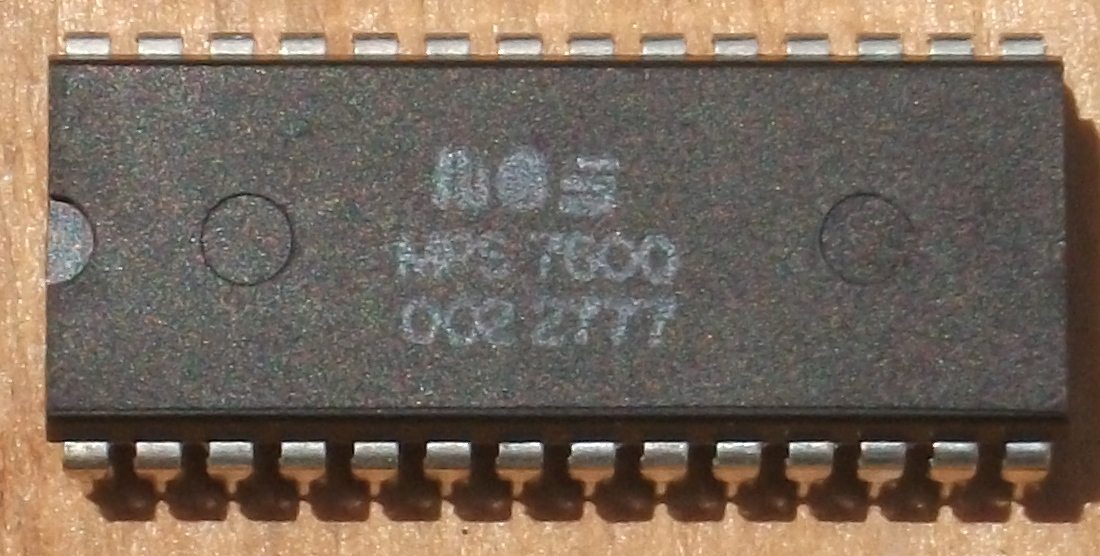
Four versions of this chip are known to exist. Each of them contains customised circuits adapted to the games played. For example, the Ball & Paddle version (MPS-7600-001) plays four games for two or four players and uses special paddle and ball generators. This particular chip was also released in PAL format as MPS-7601. So far, only Commodore is known to have used it in a system (model 3000H). Only one manufacturer used all of the MOSTek chips: Coleco (see the Telstar Arcade and Telstar Gemini systems). All others used the MPS-7600-001 chip.

VAX 78032
VAX 78032
📅 1977
Ficha técnica

Historia

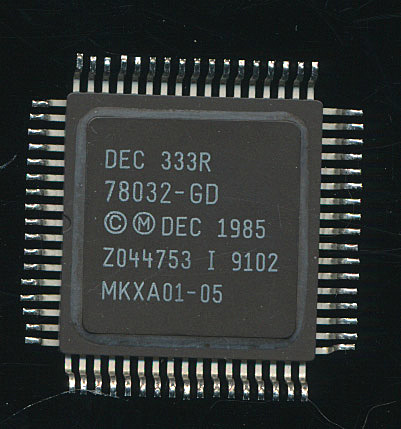
CPU of 32-bits, developed by Digital Equipment Corporation and installed in the MicroVAX II computers.

General Instruments AY-3-8510
📅 1978
Ficha técnica

Historia

Coleco Telstar Colortron Four of six games of 8500 (no rifle/target games), with full colors

Características

4 juegos de tennis - COLOR
General Instruments AY-3-8512
📅 1978
Ficha técnica

Historia

Coleco Telstar Marksman The same of 8500 but with colors

Características

2 juegos de disparos - COLOR
General Instruments AY-3-8550
📅 1978
Ficha técnica

Historia

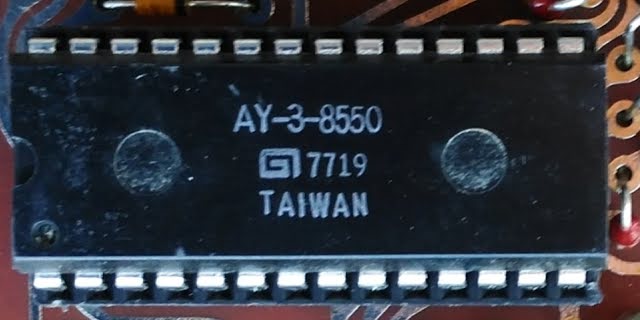
Tele-Game ES 2208 Las Vegas Ideal-Computer Tele-Match Cassette 1 General Instruments AY-3-8550 que integraba la controladora gráfica, el generador de sonido y cuatro juegos pong (TENNIS, FUSSBALL, SQUASH y PELOTA) y dos de tiro (ocultos). Su imagen era en color y se sonido mono (en la TV)

Características

4 juegos de tennis - COLOR
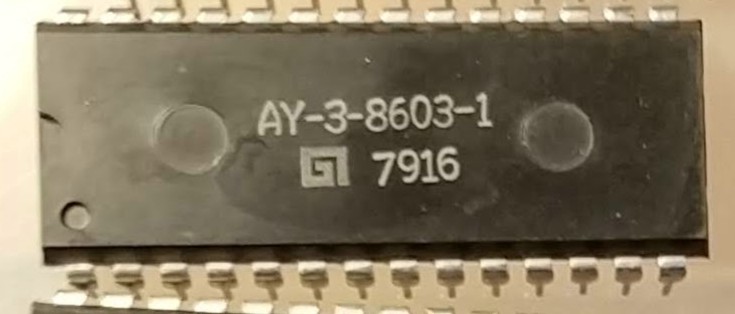
General Instruments AY-3-8603
📅 1978
Ficha técnica

Historia

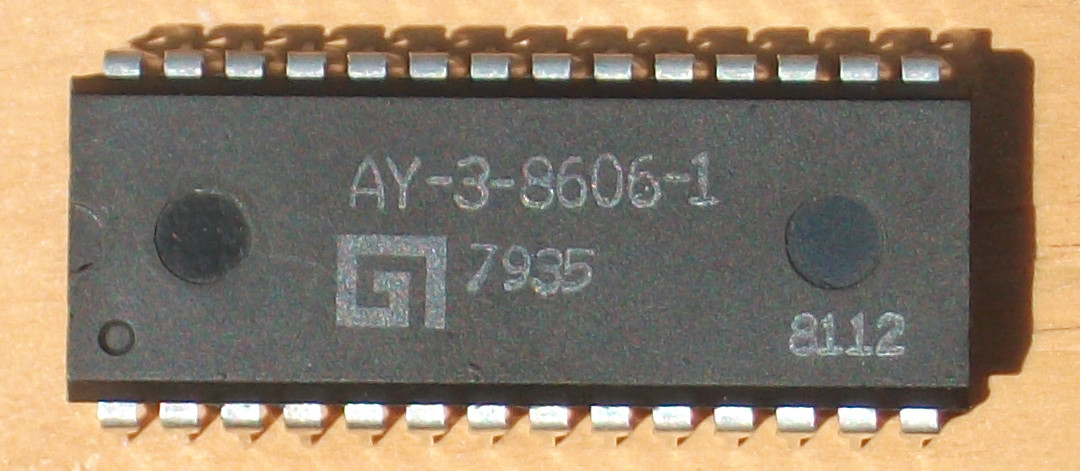
PC-50x Car race with vertical view. The car accelerate and the player must avoid collisions. 1 or 2 players

Características

Roadrace: Two car racing games
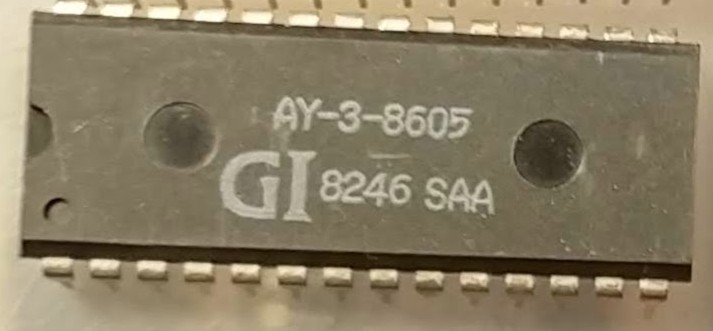
General Instruments AY-3-8605
📅 1978
Ficha técnica

Historia

PC-50x Three games: a ship must fire torpedoes to hit submarines

Características

3 submarine war games
General Instruments AY-3-8607
📅 1978
Ficha técnica

Historia

PC-50x 4 games with an optical rifle. More than one difficult level

Características

Target shooting games
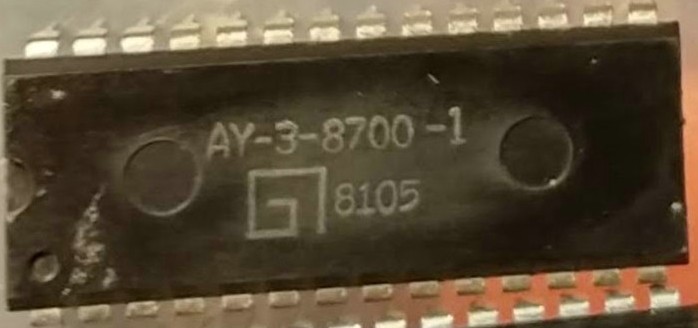
General Instruments AY-3-8700
📅 1978
Ficha técnica

Historia

Coleco Telstar Combat! Four combat games with tanks, 2 players

Características

Tank battle game
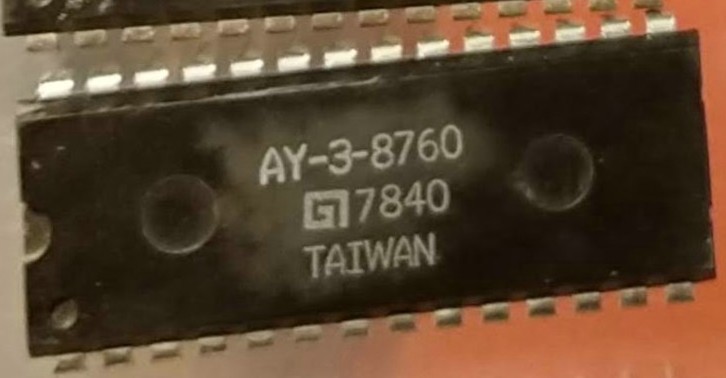
General Instruments AY-3-8760
📅 1978
Ficha técnica

Historia

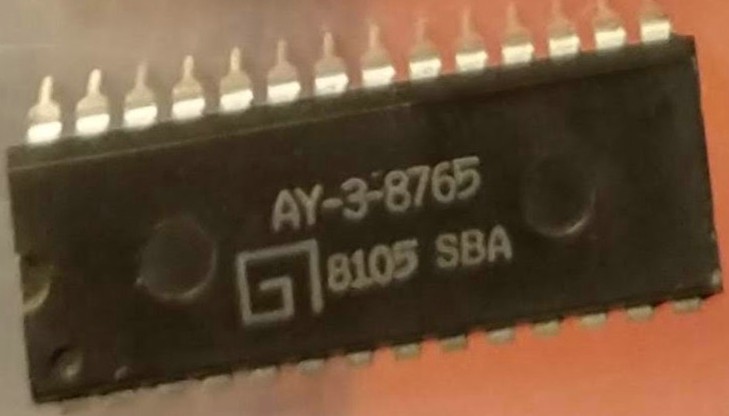
(8765 PAL) Atari Stunt Cycle Sears Motocross PC-50x Motor-Cycle. Three game levels. A motorbike must jump over different objects (bus, etc.)

Características

4 motor-cycle games: Skill cycle, Cycle race...
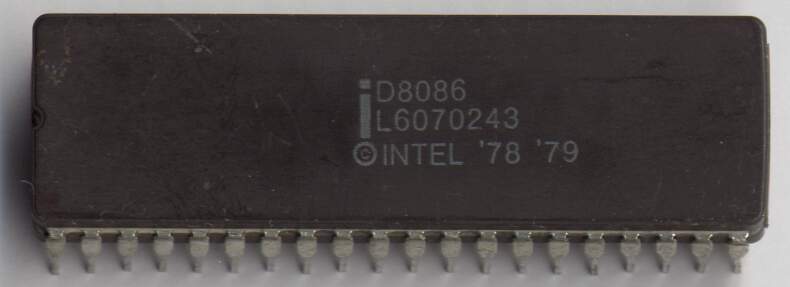
Intel 8086
Intel 8086
📅 1978
Ficha técnica

Historia

The 8086 is a 16-bit microprocessor chip designed by Intel in 1978 - the introduction to the x86 architecture. Shortly later the 8088 was introduced with an external 8-bit bus, allowing the use of cheap chipsets. It was based on the design of the 8080 with a similar register set, but was expanded to 16 bits. It featured four 16-bit general registers, which could also be accessed as eight 8-bit registers, and four 16-bit index registers (including the stack pointer). The processor runs at clock speeds between 4.77 (in the original IBM PC) and 10 MHz. The 8086 was cloned by the NEC V20, NEC V30 and NEC V50. There are mathematical coprocessors for the 8086, the 8087.

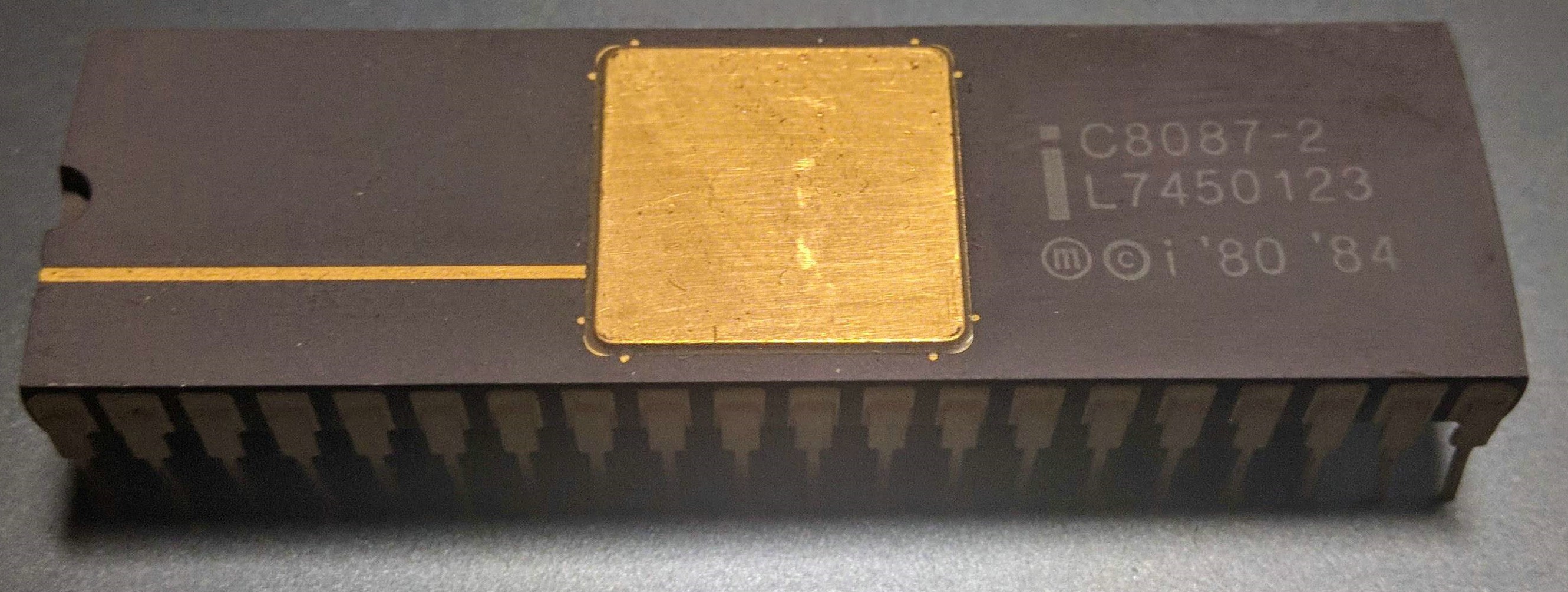
Intel 8087
Intel 8087
📅 1978
Ficha técnica

Historia

Mathematical coprocessors for the 8086

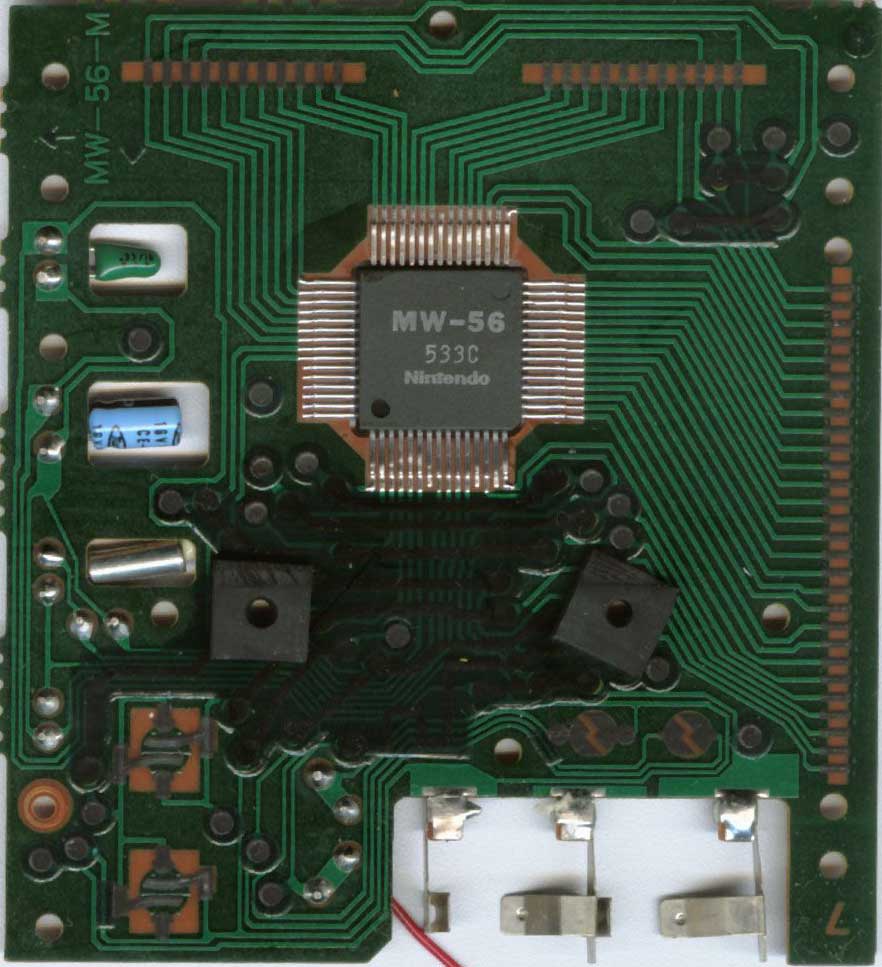
Mitsubishi M58816P
Mitsubishi M58816P
📅 1978
Ficha técnica

Historia

Nintendo Color TV Game

Página 1 de 4